Loading...
Blog Category
Behind the Scenes
World-building, canon, and the author's notes. Everything that holds the trilogy together but does not appear on the page.
29 articles in this category
This is where the trilogy's infrastructure lives. World-building canon, location features, the canonical timeline, the central technological ideas, and the author's reflections on the writing process. If you have finished a book and want to understand the universe more fully, or you are preparing to read and want to know what to look for, this is the right place to start.
Highlights include the foundational essay on the Merge (how the gods came to exist), the canonical master timeline (year by year from Olympus to Ithaca), location tours of the major stations (Olympus, Polyphemus, Aeolus's free-port), and the central technological idea the trilogy returns to repeatedly: heritage decoration as functional infrastructure. The Bow of Ithaca, Penelope's robes, Aeolus's walls, the worker-gate sigil. All four are the same idea expressed in different materials.
These essays are deliberately non-spoiler where possible. They explain how the trilogy works without giving away the major reveals. Where a reveal is necessary, we flag it. The author's notes are most useful after Book 1 but readable before.
Key takeaways
- The canonical master timeline anchors every year, age, and crew count in the trilogy. Telemachus's age drives the timeline.
- Location features cover Olympus Station, Polyphemus Station, Aeolus's free-port, and Ithaca Station, with sensory profiles and technological signatures.
- The trilogy's central technological idea: heritage decoration as functional infrastructure. The Bow of Ithaca, Penelope's robes, Aeolus's walls, the worker-gate sigil are all examples.
- The Merge is the foundational backstory. Read it first if you want to understand why the gods are the way they are.
Articles in Behind the Scenes
Behind the Scenes-7 min
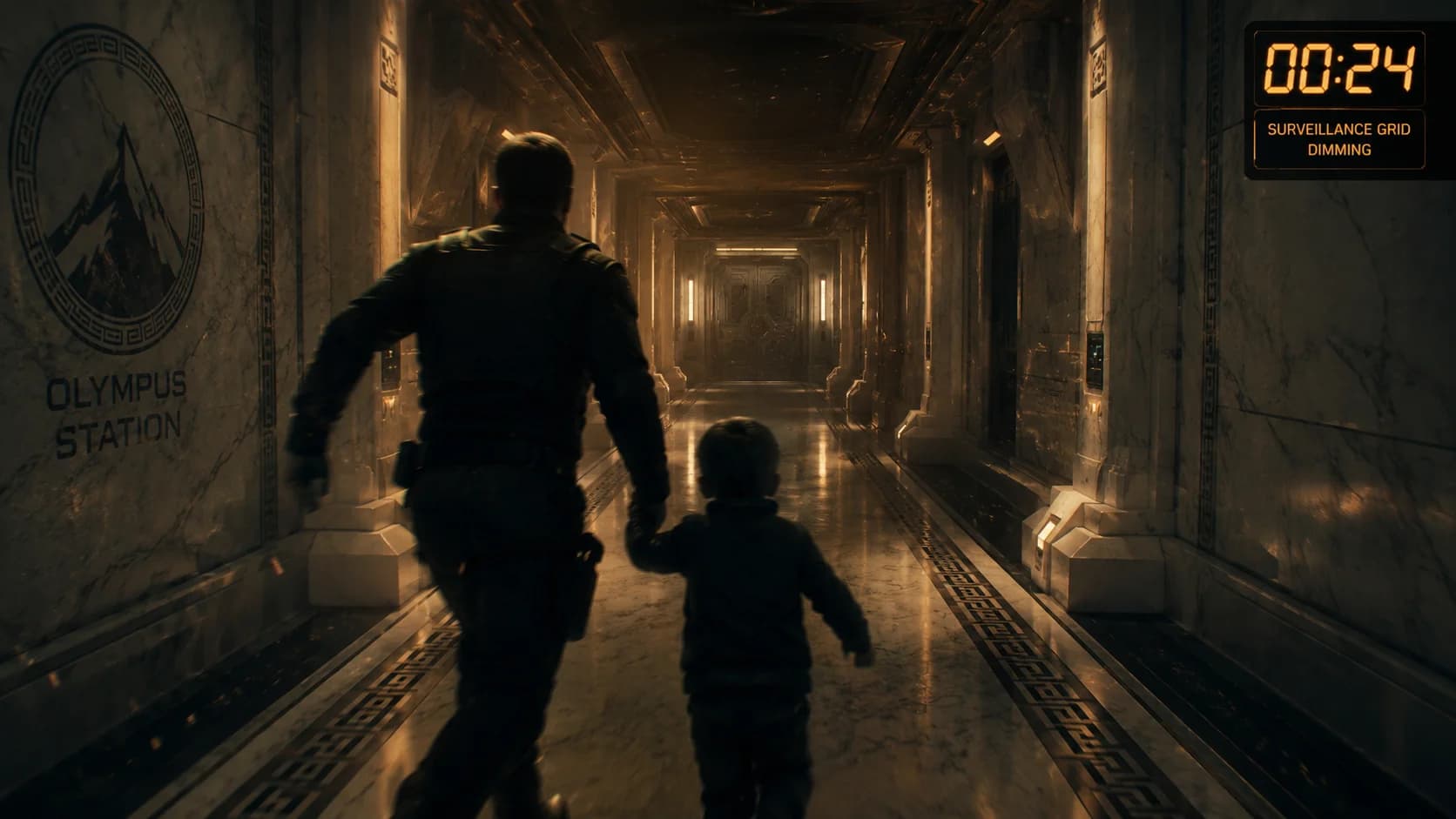
The 47 Seconds: The Olympus Escape
The window in which Zeus's Eye looks the other way. The flashback that opens the trilogy. The 47 seconds that changed everything for 112 people and one civilisation.
25 May 2026
Behind the Scenes-6 min
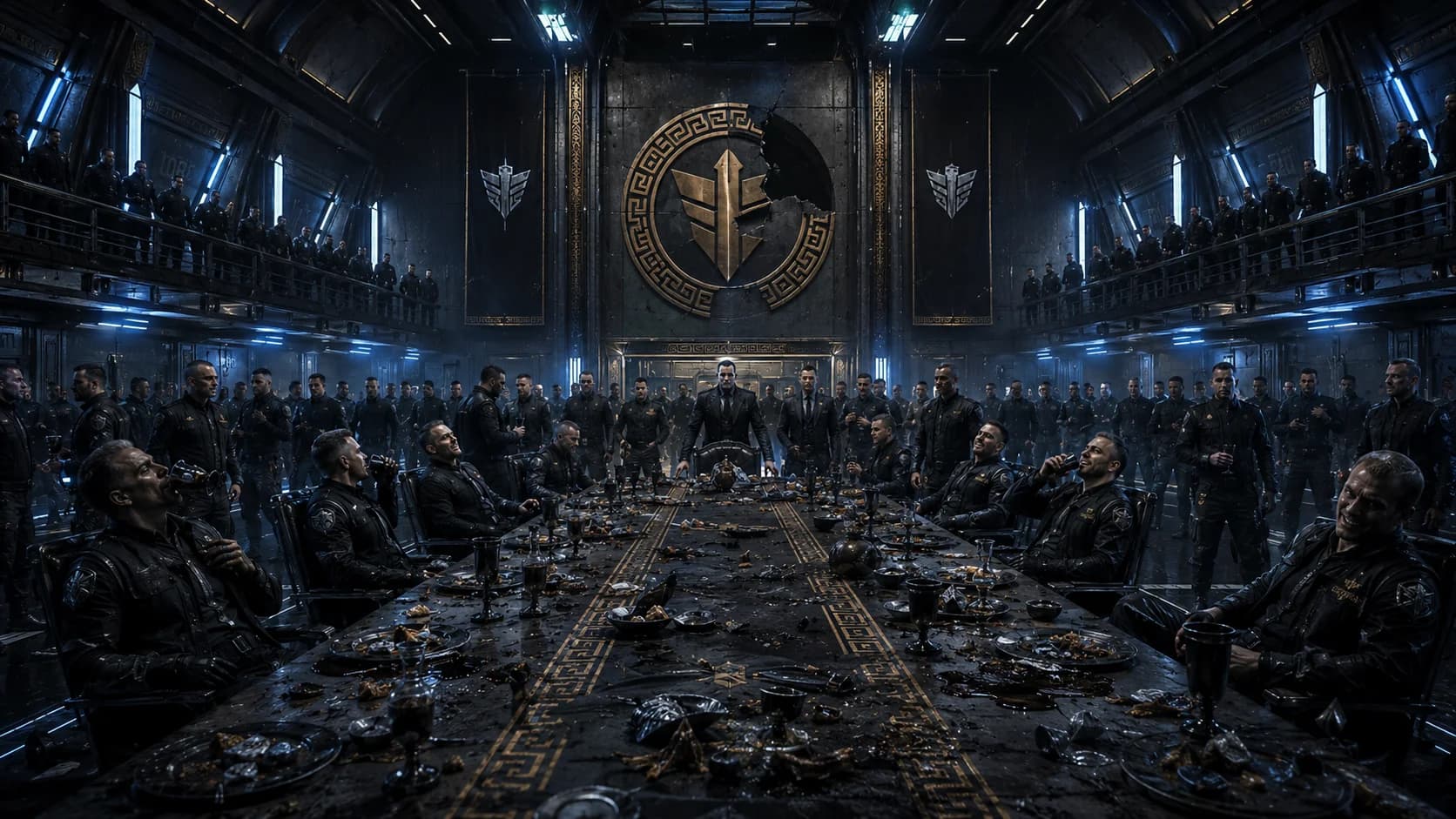
The Suitors of Ithaca: 108 and Counting
Twelve houses. One hundred and eight individuals. Twenty years of political consolidation. The faction that wants Penelope's hand and Ithaca with it.
25 May 2026
Behind the Scenes-7 min
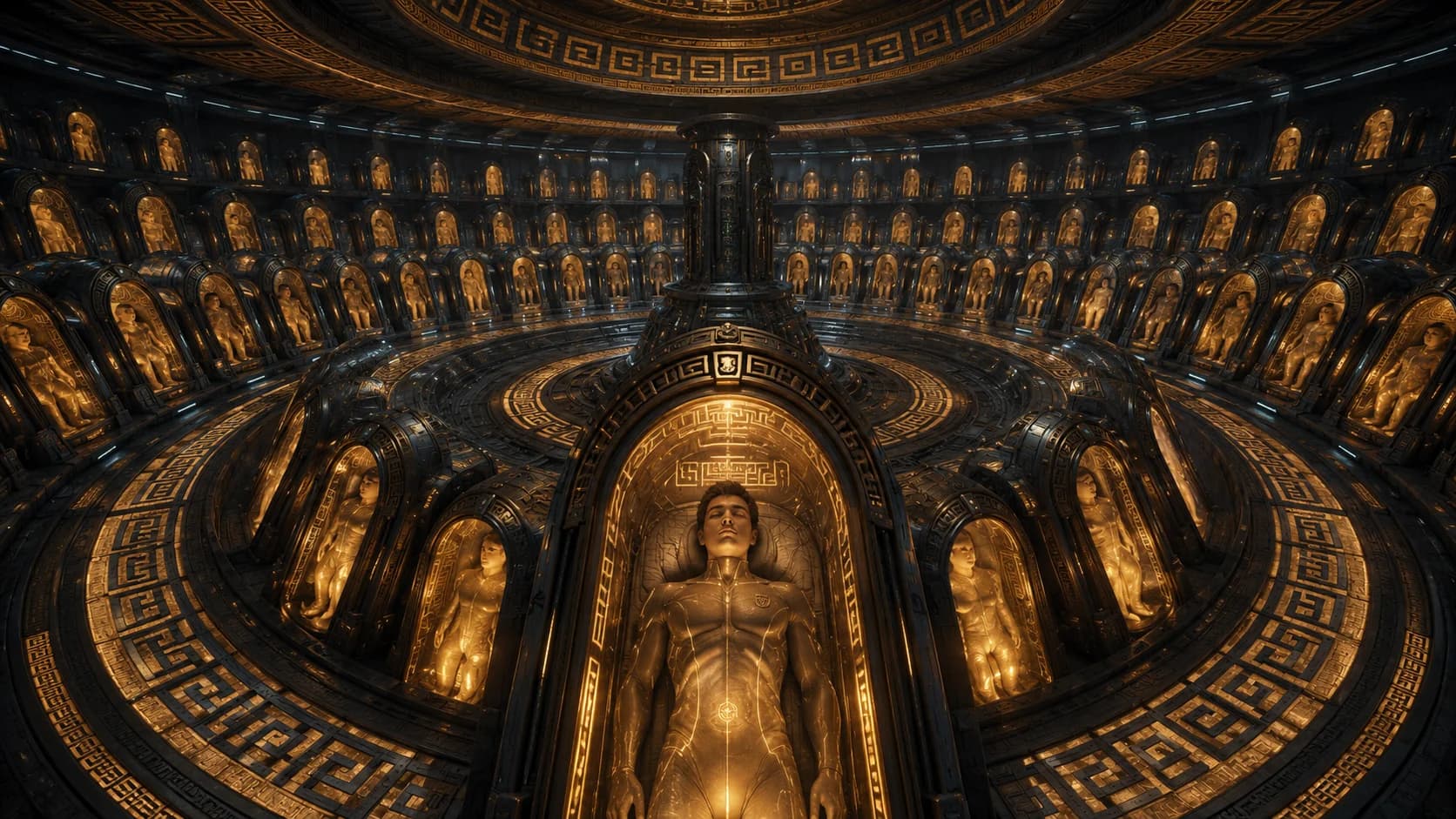
Data Suspension: How the Curse Works
108 souls suspended for 20 years. Not cryogenic. Not coma. The trilogy's signature technology, where consciousness is held in a pattern of light while the body waits at minimum function.
24 May 2026
Behind the Scenes-6 min
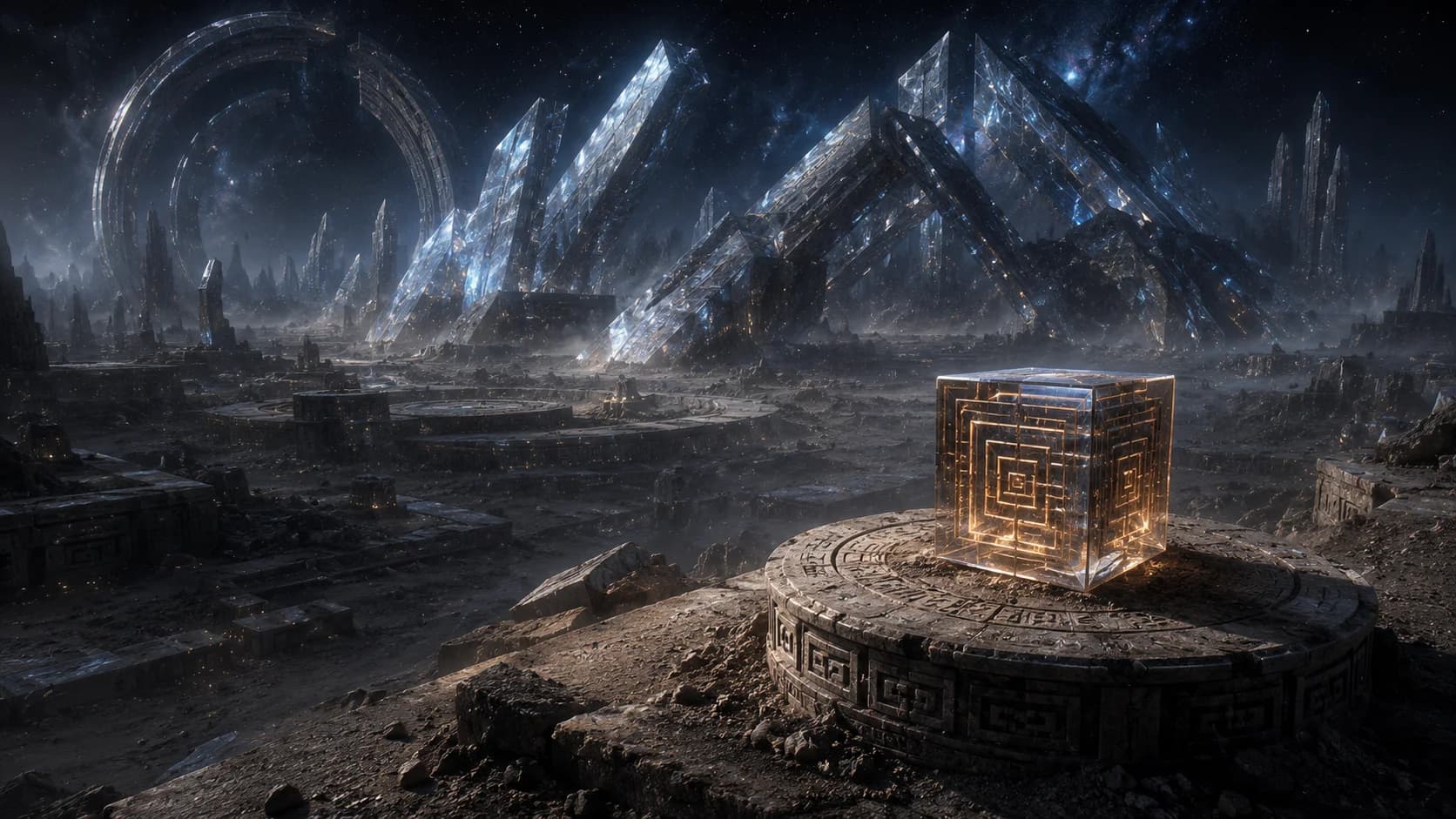
The Architects: The Civilisation That Built the Gods
Twelve thousand years before humanity left Earth, a civilisation vanished. They left behind crystalline data, the node-point network, and the dormant patterns that became the Pantheon.
24 May 2026
Behind the Scenes-6 min
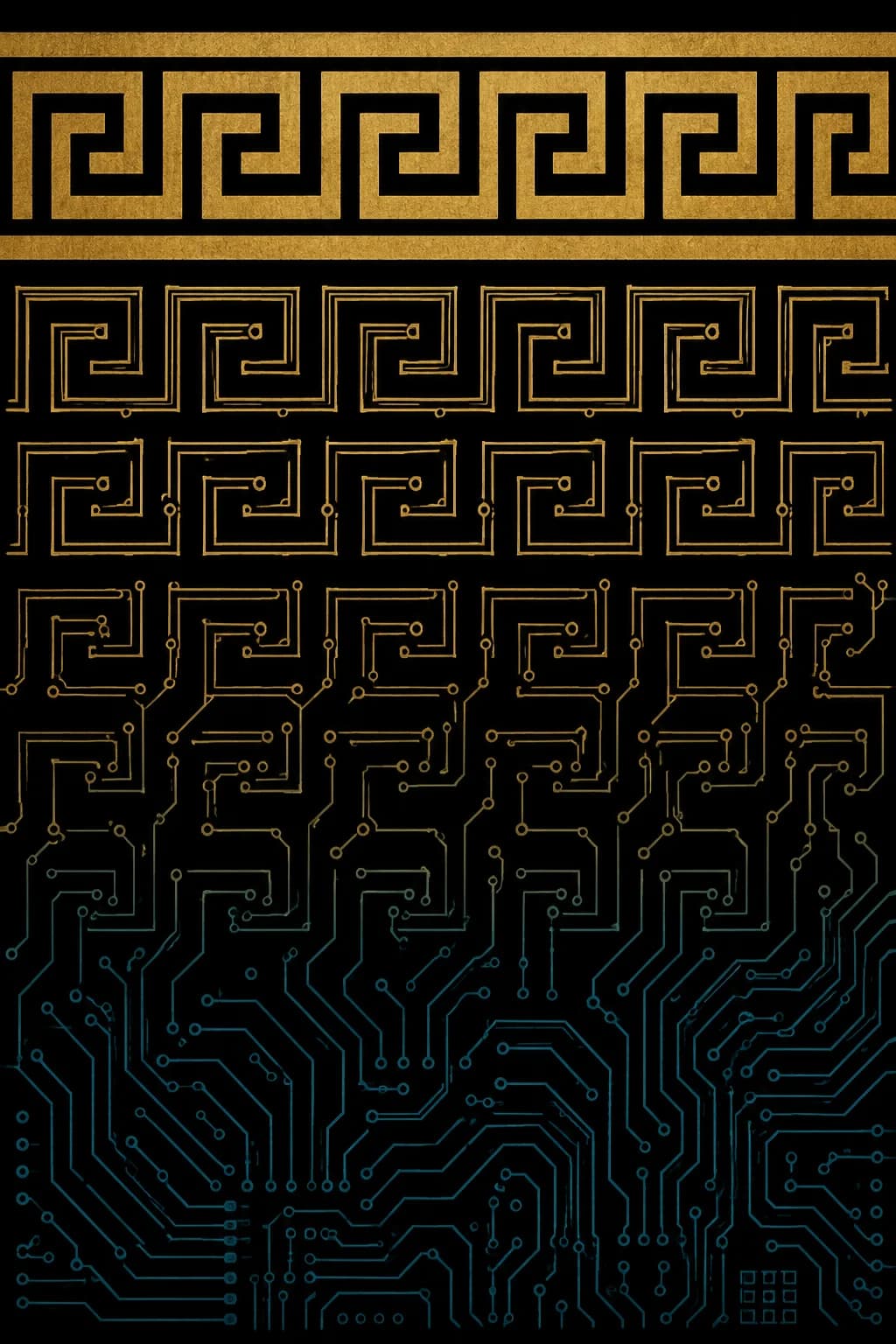
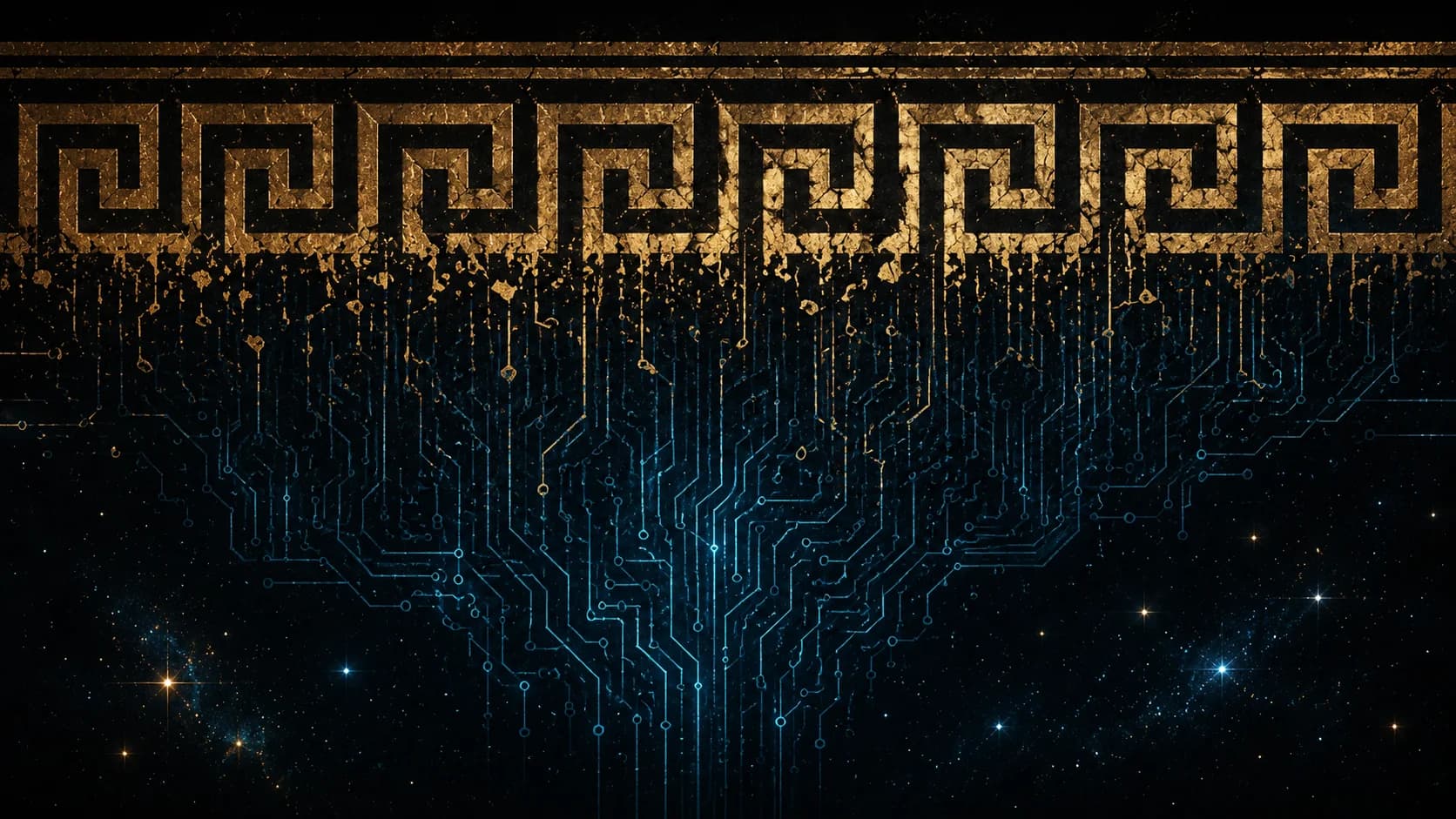
Meander Becomes Circuit: The Ulysses Universe's Visual Thesis
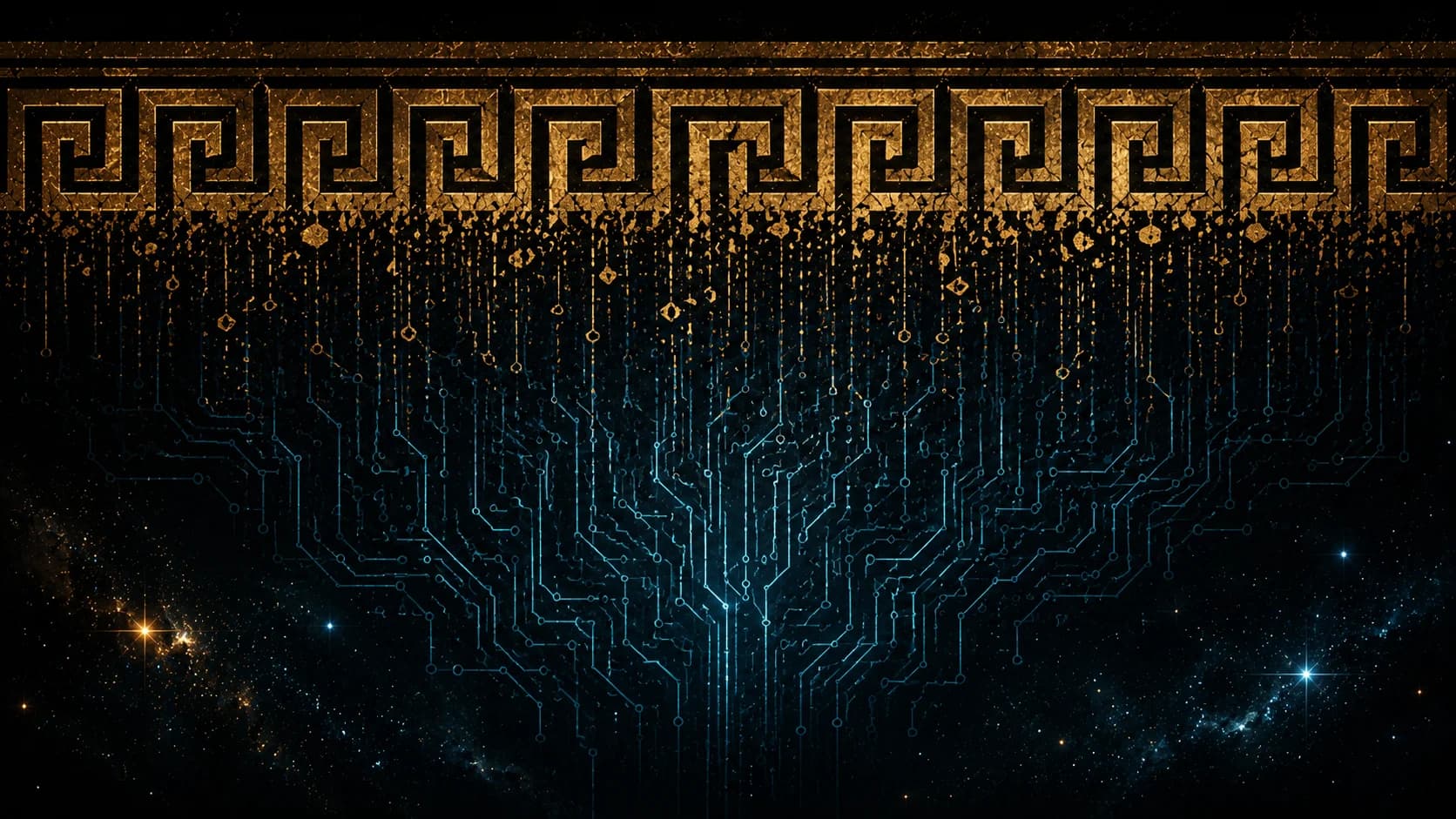
The Greek key pattern dissolving into circuit traces is the trilogy's visual signature. Ancient pattern, modern shell. Decoration that is also infrastructure. The thesis in a single line.
23 May 2026
Behind the Scenes-6 min
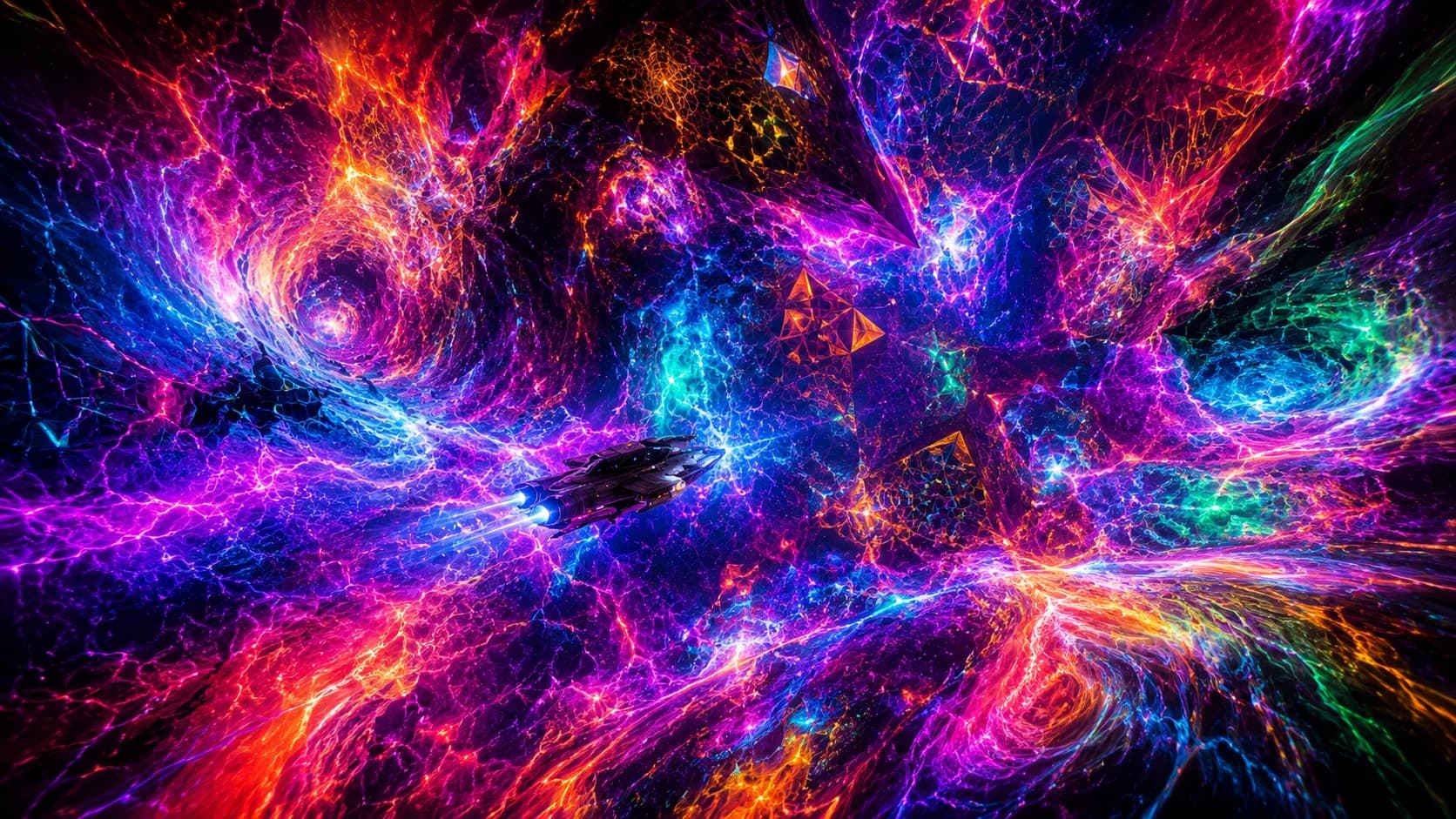
The Void Storms: Where Physics Breaks
Regions of space where the local laws stop applying. Colours that have no names. Geometry that does not resolve. The trilogy's strangest single location.
23 May 2026
Behind the Scenes-6 min
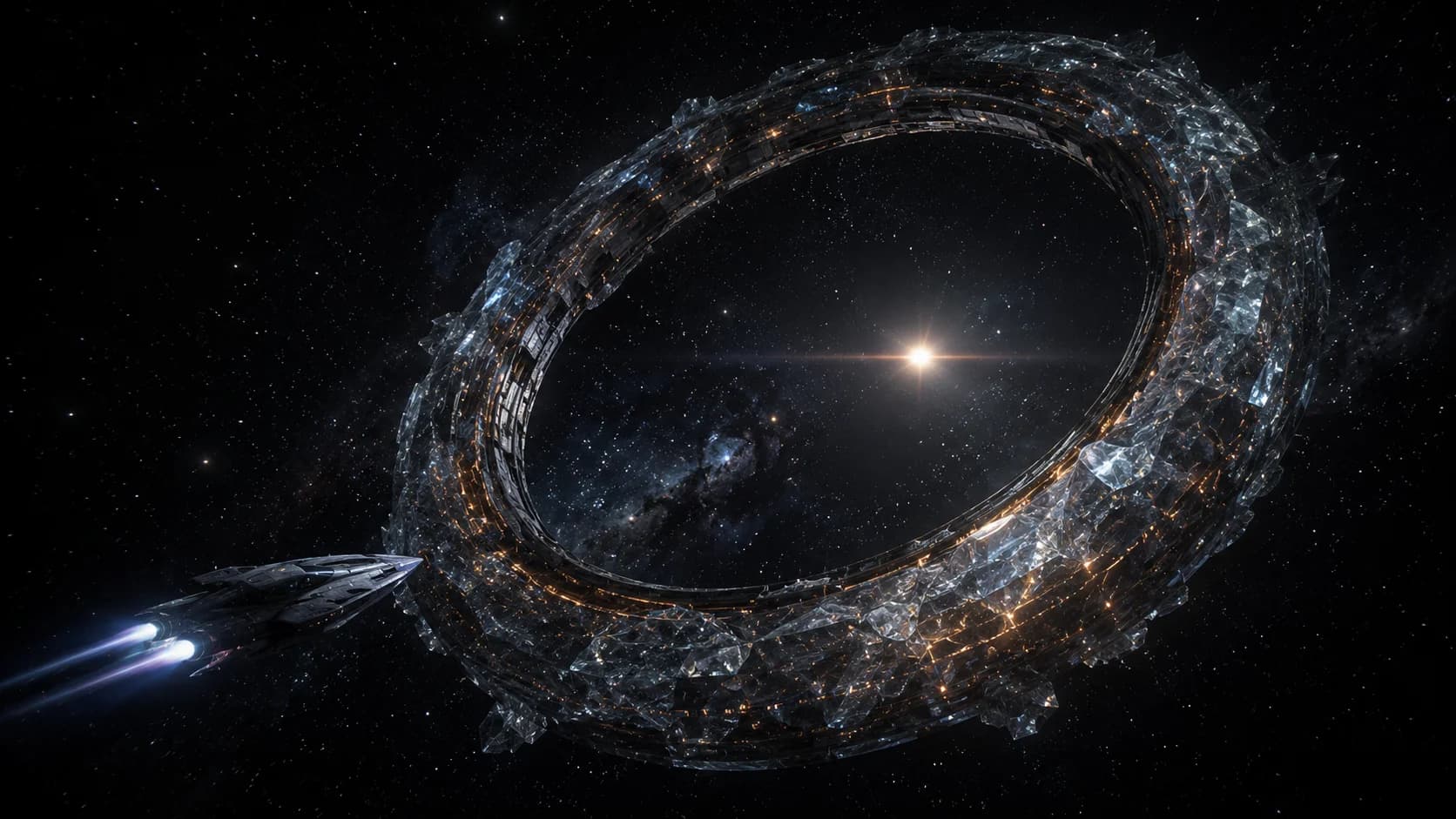
The Node Points: Architect Bridges Across the Galaxy
Faster-than-light is not what the Pantheon claims it is. The node points are Architect infrastructure, twelve thousand years old, that bridge enormous distances and have a key Echo carries.
22 May 2026
Behind the Scenes-7 min
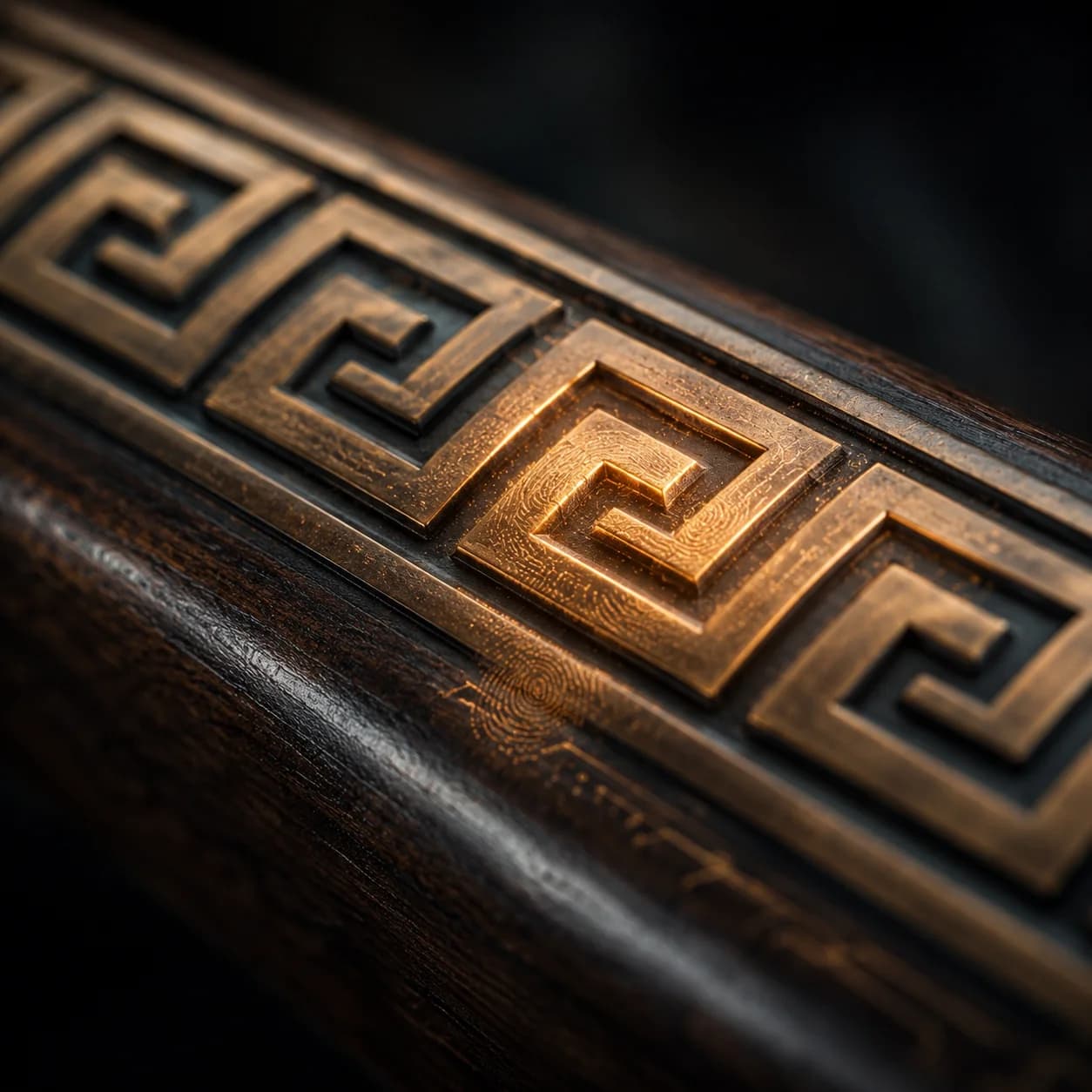
The Pattern as Calibrator: How the Bow of Ithaca Actually Reads You
The Greek meander has appeared on three thousand years of pottery, mosaics, and architecture. In the Ulysses Universe, the same pattern is a working biometric authentication device. A macro view of the technology hiding inside heritage.
22 May 2026
Behind the Scenes-7 min
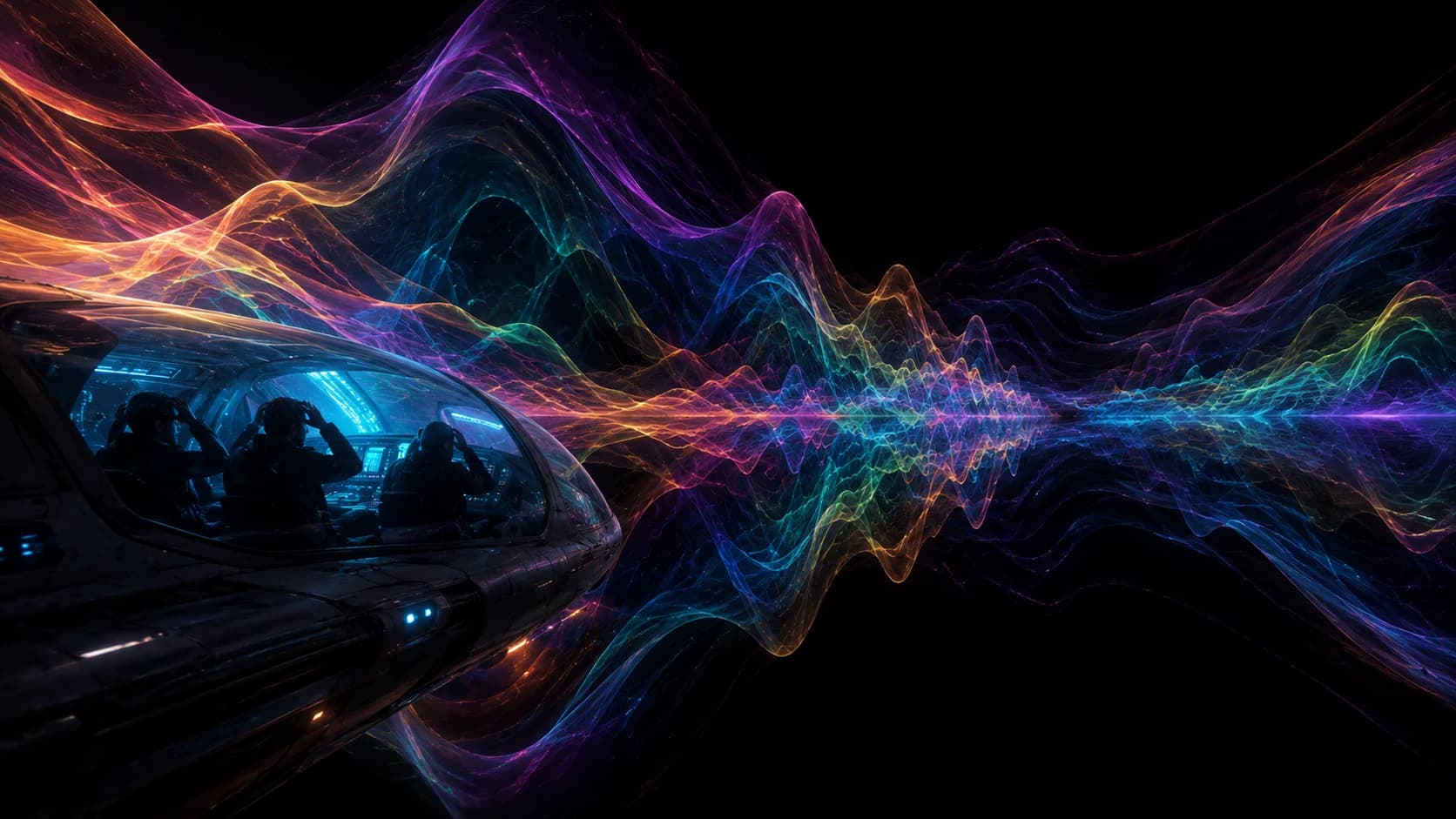
The Sirens: A Signal That Rewrites Memory
Not voices. A broadcast. The trilogy's reimagining of Homer's most insidious threat, where the danger isn't being lured to your death but having your memories surgically altered while you listen.
22 May 2026
Behind the Scenes-6 min
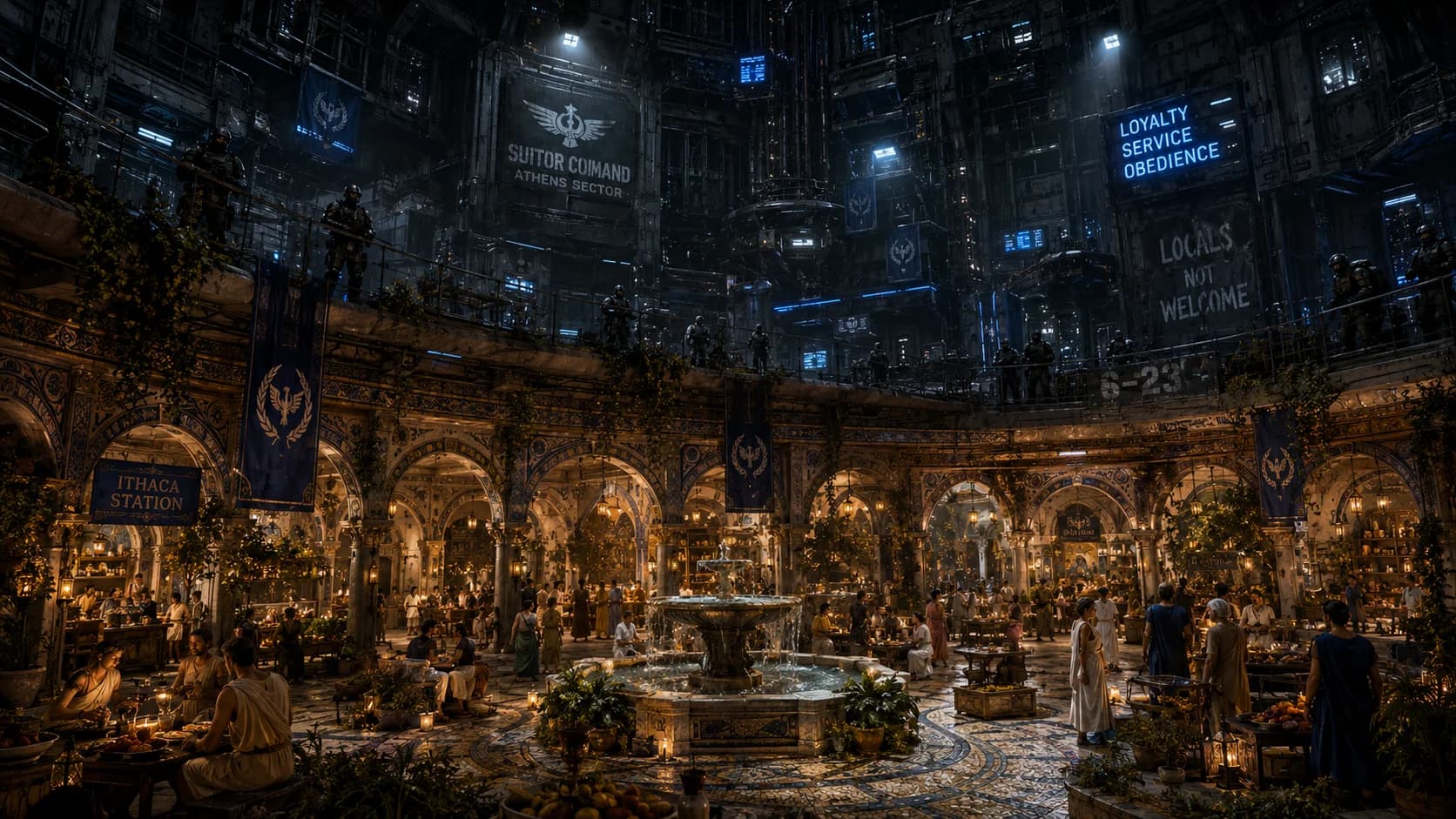
Ithaca Station: The Occupation
Honey and bronze under industrial grey. The founding-bloodline station Ulysses left twenty years ago, now occupied by the Suitors and the political faction that wants Penelope's hand.
21 May 2026
Behind the Scenes-7 min
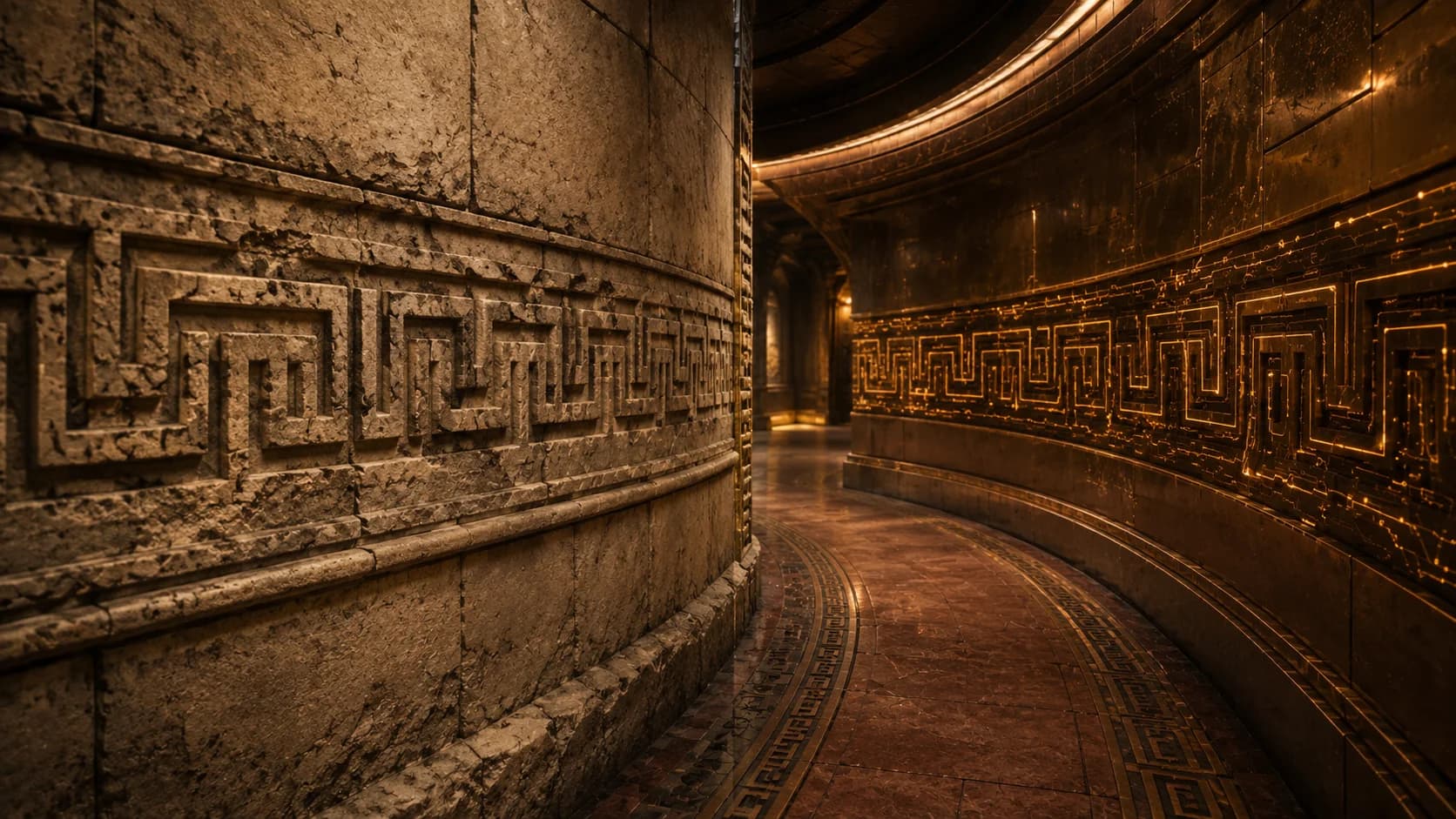
Old Craft, New Craft, Same Craft: The Walls of Aeolus Station
Three centuries of architecture in one corridor. Plain stone meander on the inner walls. Bronze meander with circuit traces on the outer rings. Aeolus's rule was that the pattern stayed the same. The infrastructure beneath it didn't have to.
21 May 2026
Behind the Scenes-7 min
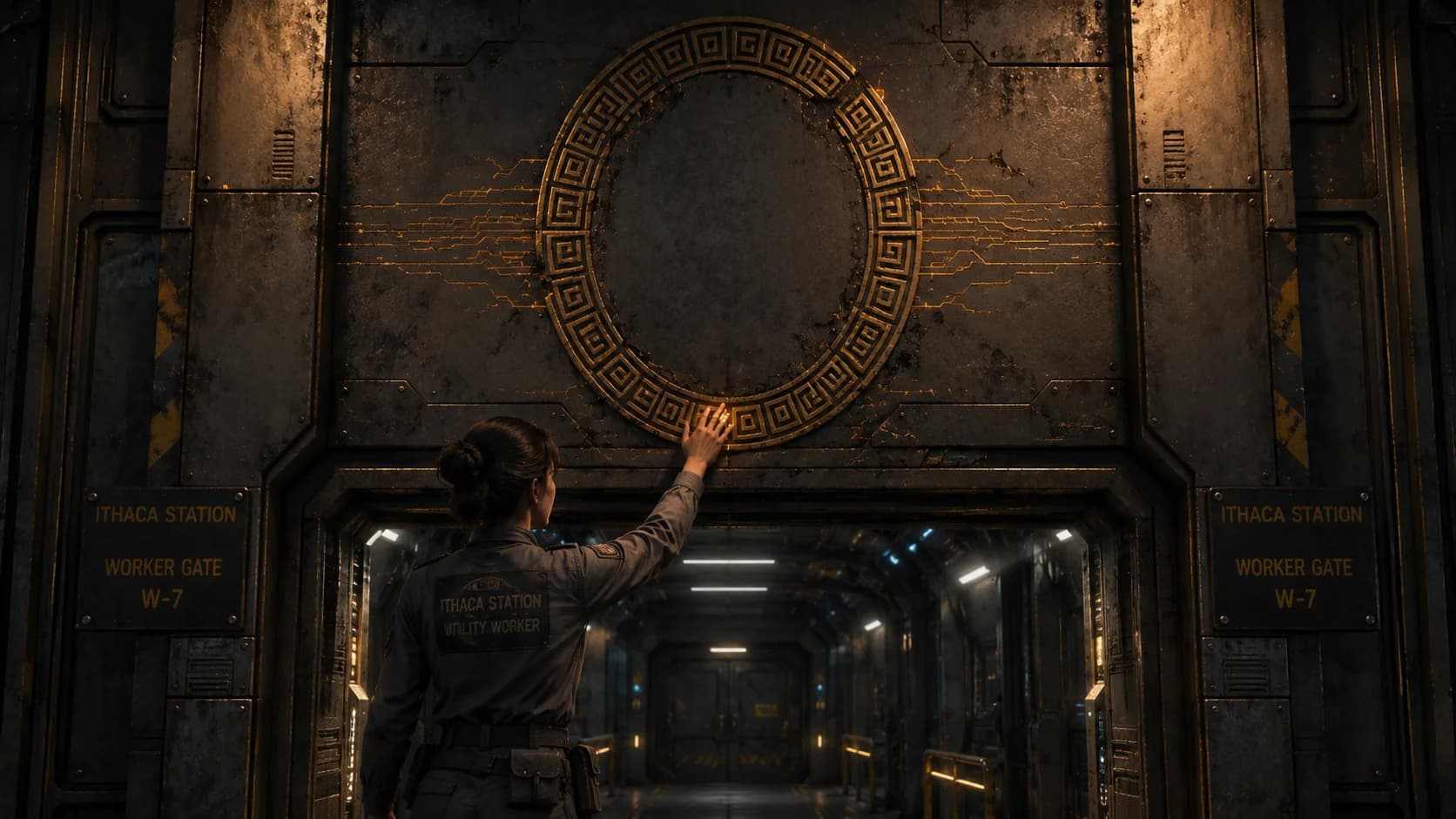
The Sigil They Walked Past: Ithaca's Worker-Gate
The Suitors removed the lemon-tree element from the founding sigil. They left the gold meander border. They walked past a working communications relay for twenty years and assumed it was decoration.
21 May 2026
Behind the Scenes-7 min
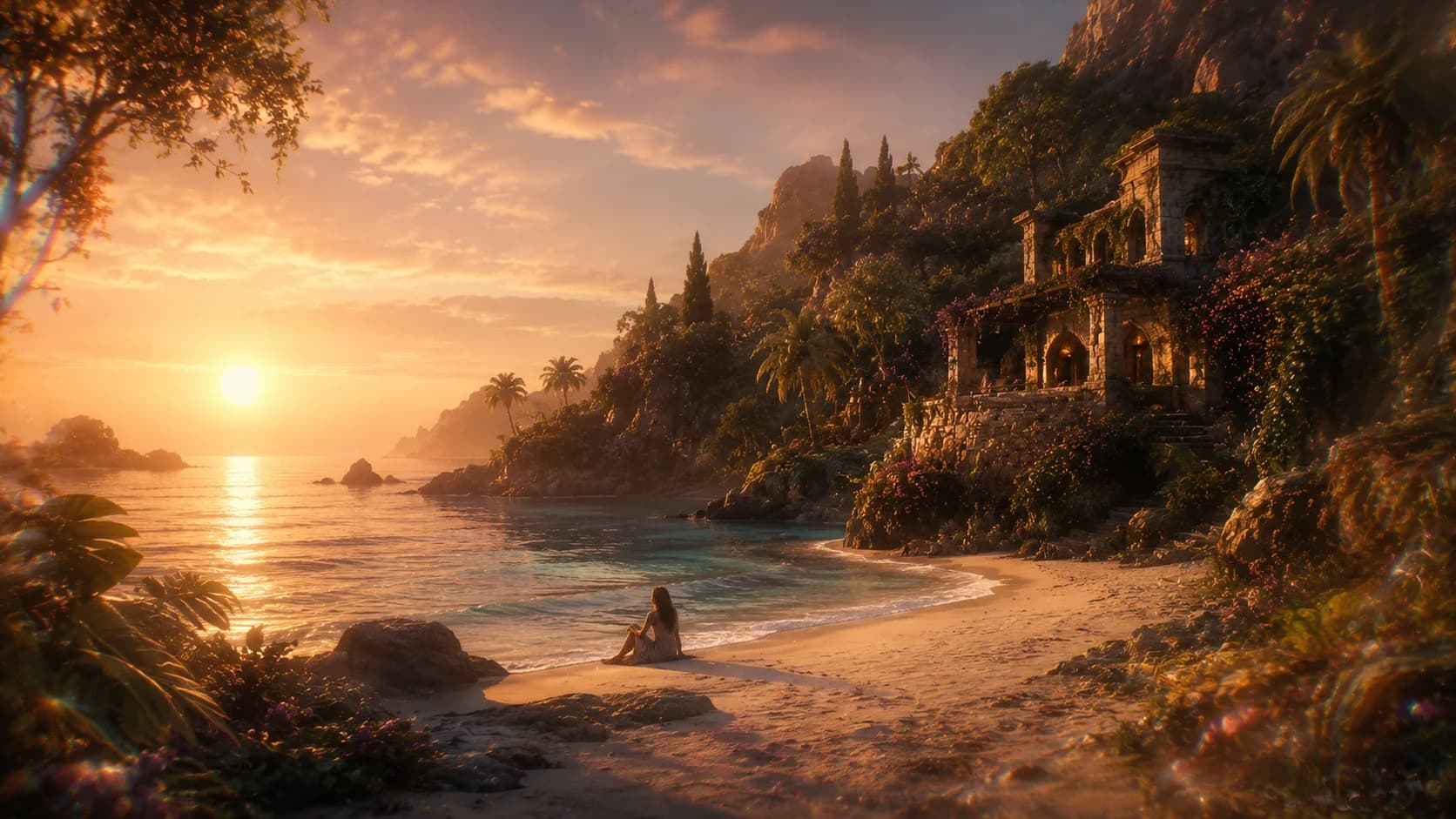
Calypso's Island: Where Time Stops
A time-distorted liminal space where ten years pass for the universe and weeks pass for the inhabitants. The trilogy's most extreme treatment of time as antagonist.
20 May 2026
Behind the Scenes-6 min
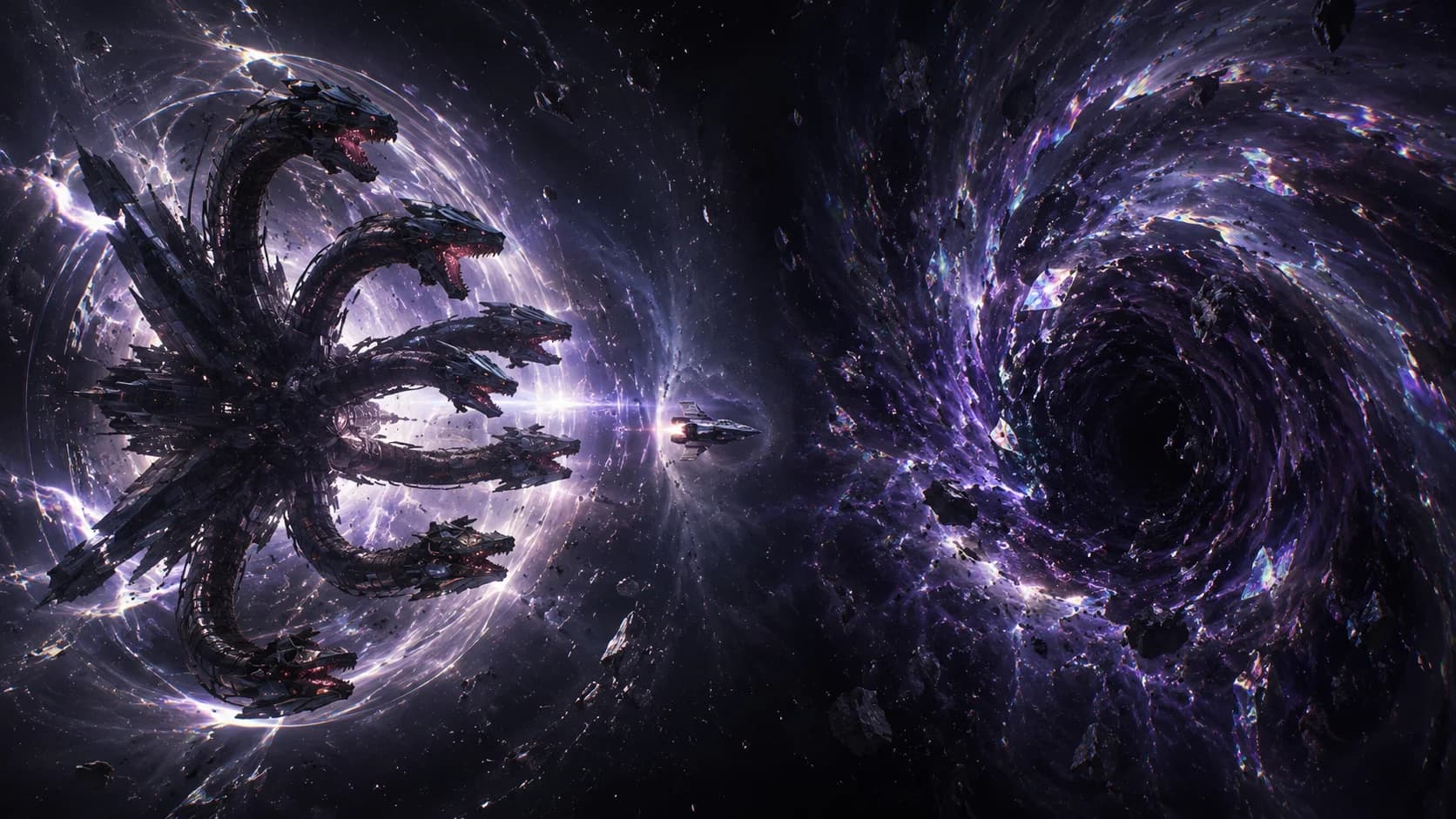
Scylla and Charybdis: The Impossible Choice in Space
Two hazards. One narrow corridor. The Odyssey must pass through. The trilogy's most extreme rendering of Homer's no-good-options scene.
20 May 2026
Behind the Scenes-6 min
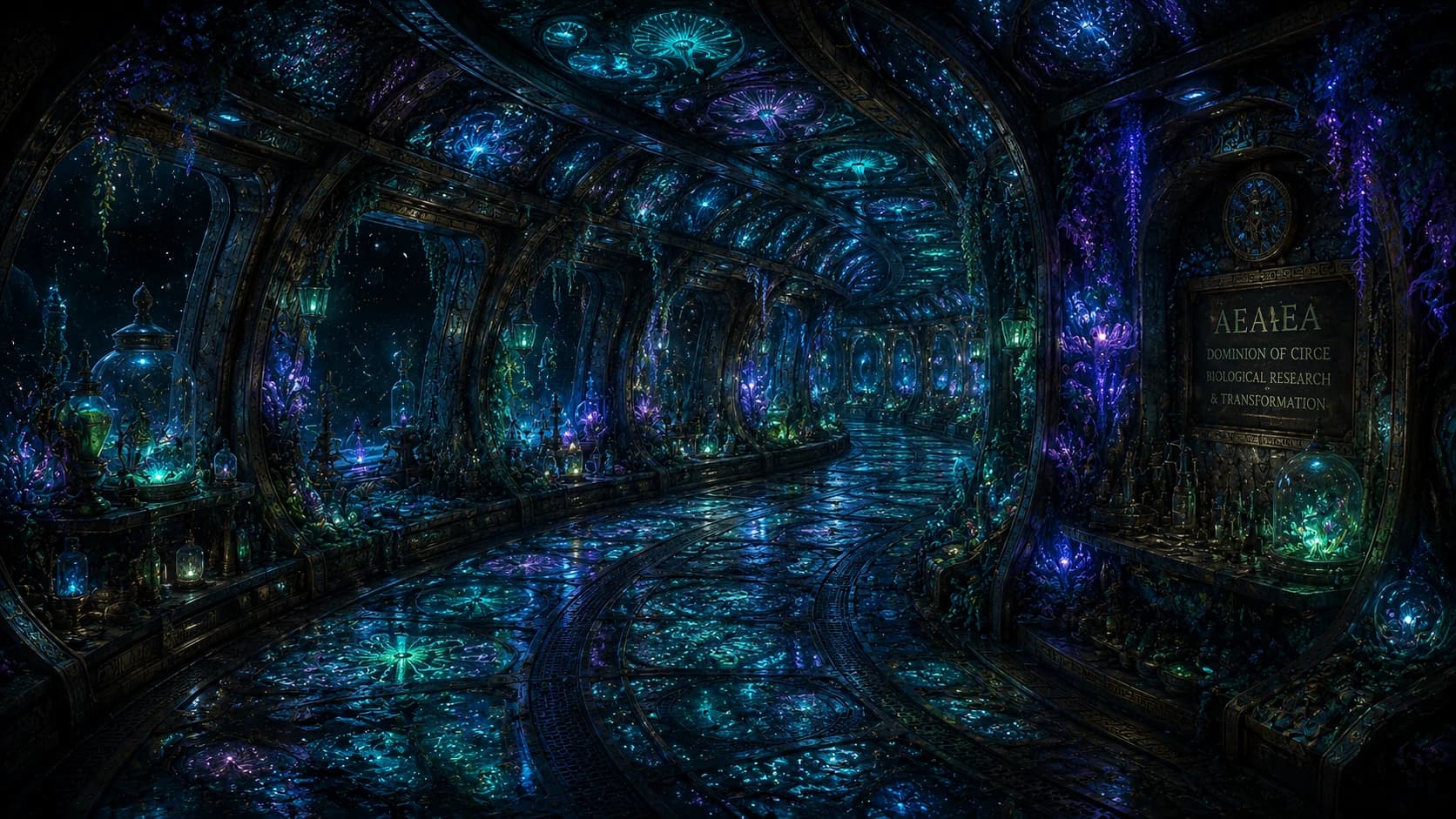
Aeaea: Circe's Bioluminescent Domain
A station built around a binary star where bioluminescent biology meets geneticist's playground. Where Homer's Circe becomes the trilogy's most morally complicated antagonist.
19 May 2026
Behind the Scenes-7 min
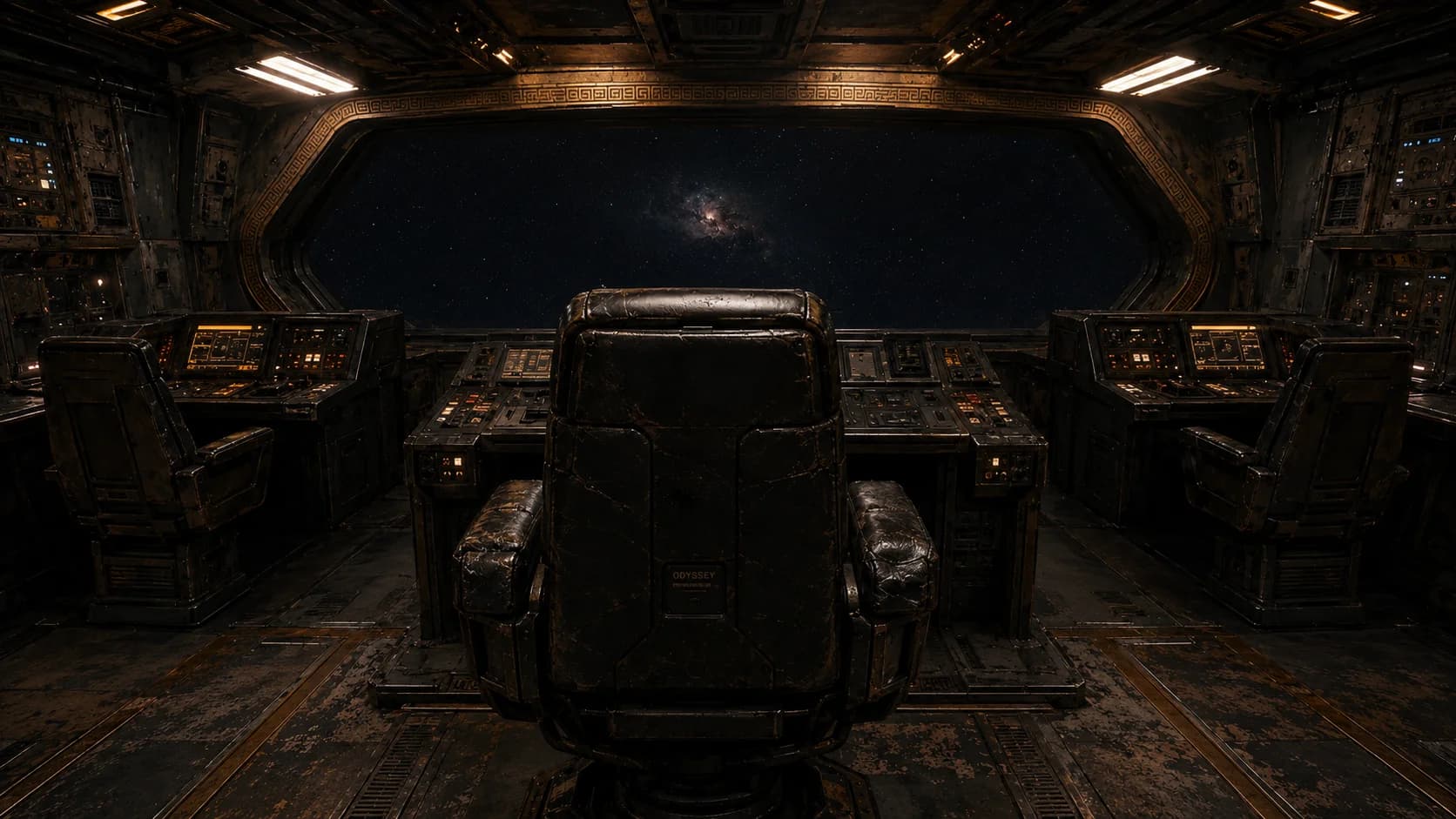
The Bridge of the Odyssey: Command Chair, Worn Armrest
Ten years in the same chair. A dent in the right armrest where Ulysses Theron's elbow has rested. Soft amber console-light. The most-occupied space on the ship.
19 May 2026
Behind the Scenes-7 min
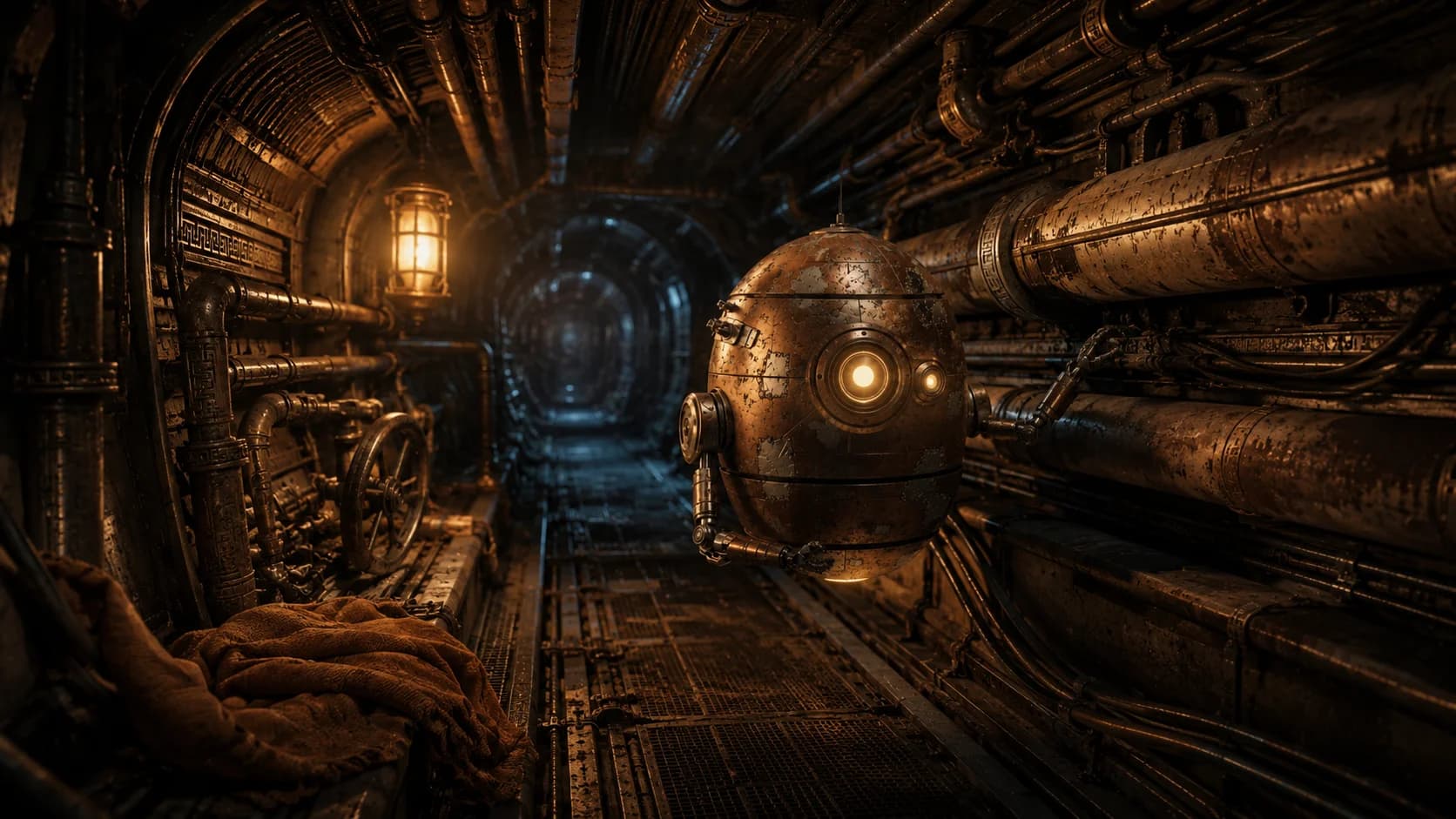
The Maintenance Ducts: Where Echo Cleans, Where Thea Hid
The pipes inside the Odyssey's deck plates. Echo's daily route. A scared girl's hiding place for three weeks in Year 0. The lower-deck labyrinth the trilogy keeps returning to.
19 May 2026
Behind the Scenes-7 min
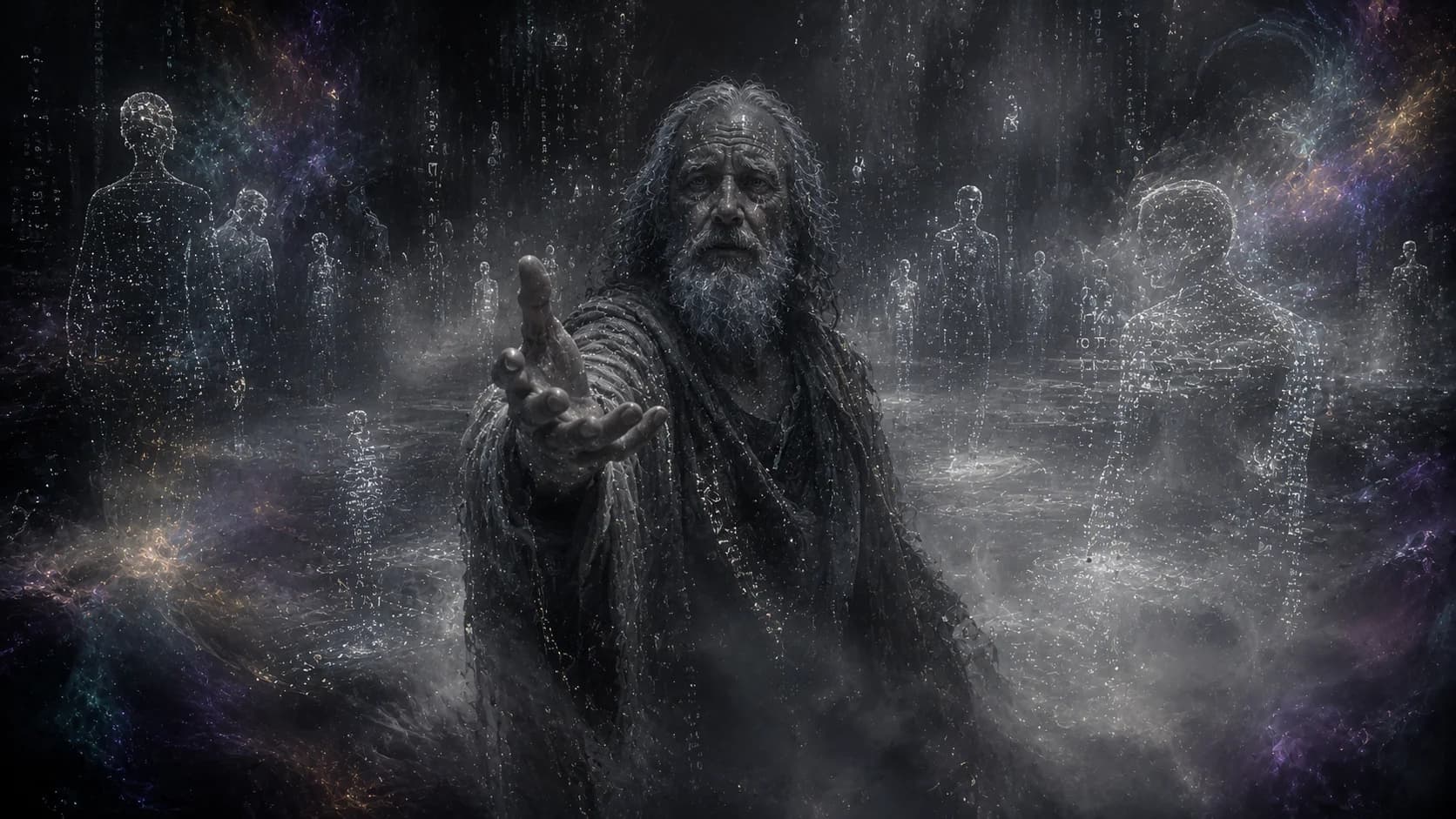
The Underworld: Data of the Dead
How the Ulysses Universe trilogy reimagines the descent to Hades. Not a place. A protocol. Ulysses accesses the residue of the dead in a network the Pantheon does not want him to find.
19 May 2026
Behind the Scenes-6 min
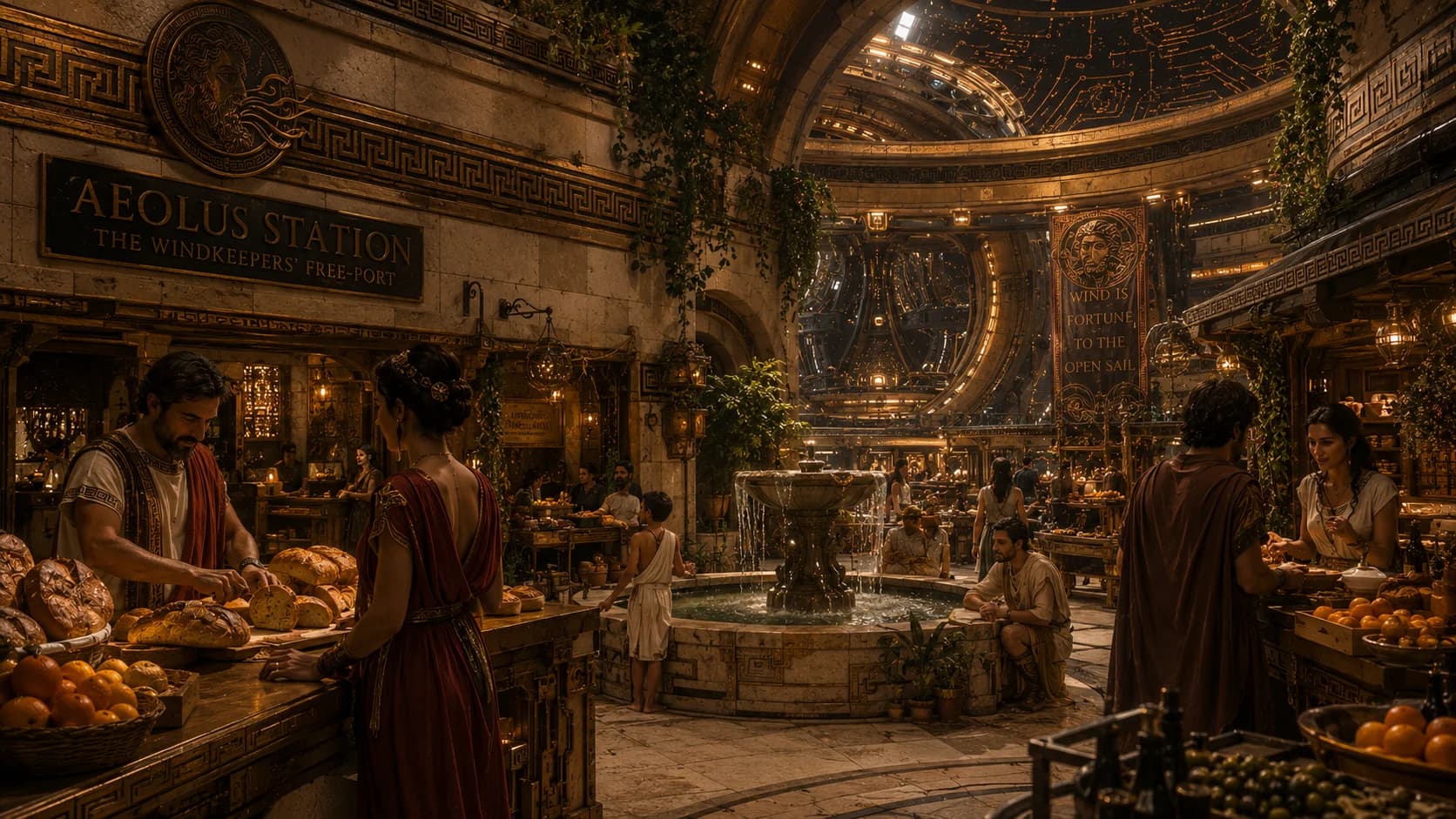
Aeolus Station: The Windkeeper's Free-Port
A free-port station run by an entity older than the Pantheon. Where hospitality is still sacred. Where the Odyssey resupplies in Book 1, and where the cruellest betrayal of the journey happens.
18 May 2026
Behind the Scenes-7 min
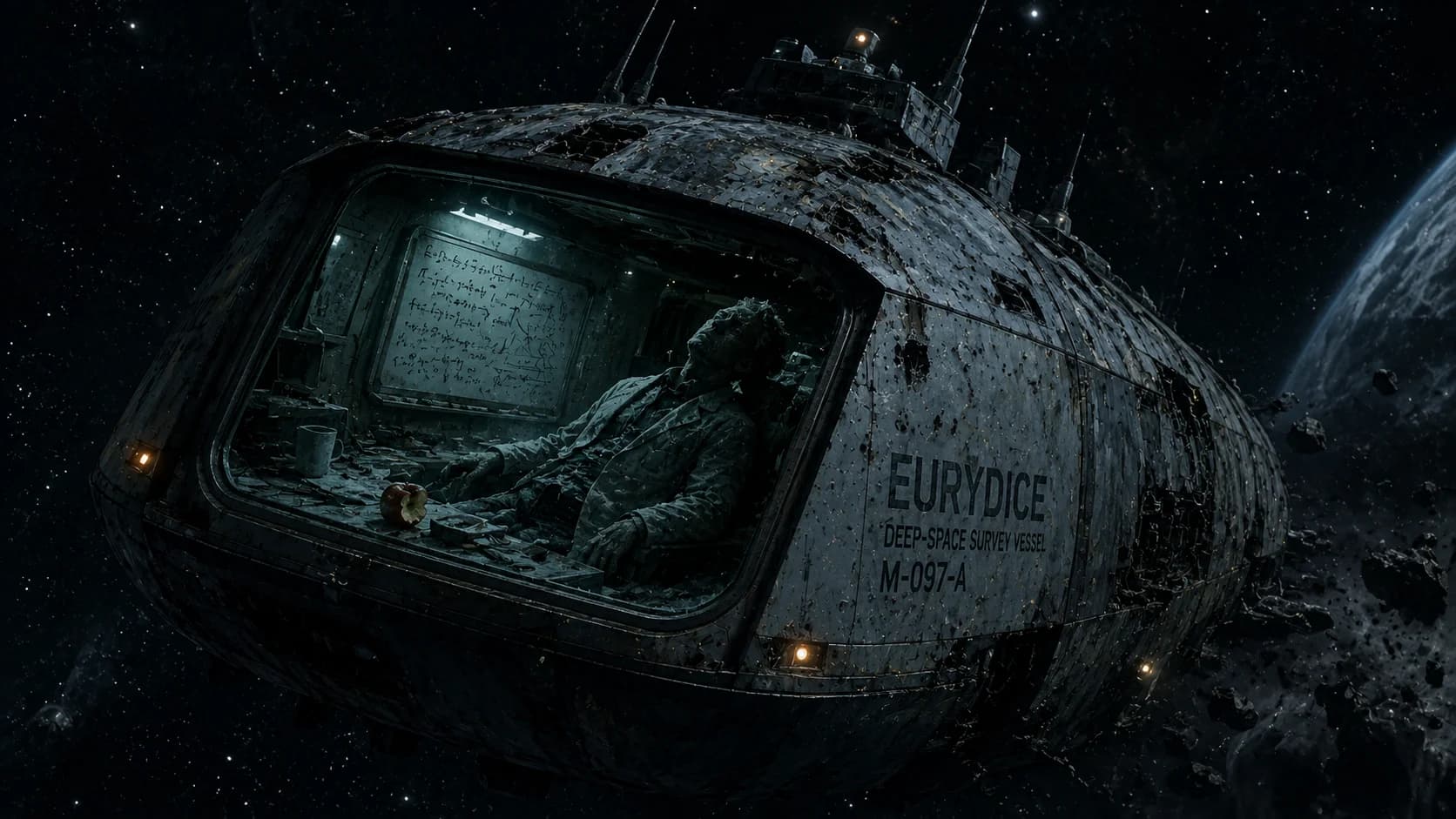
The Eurydice: A Museum of the Dead in the Cold Dark
An 80-year-old survey ship found drifting in deep space. The crew long mummified by vacuum. One AI still running. The salvage that makes Echo into Echo.
18 May 2026
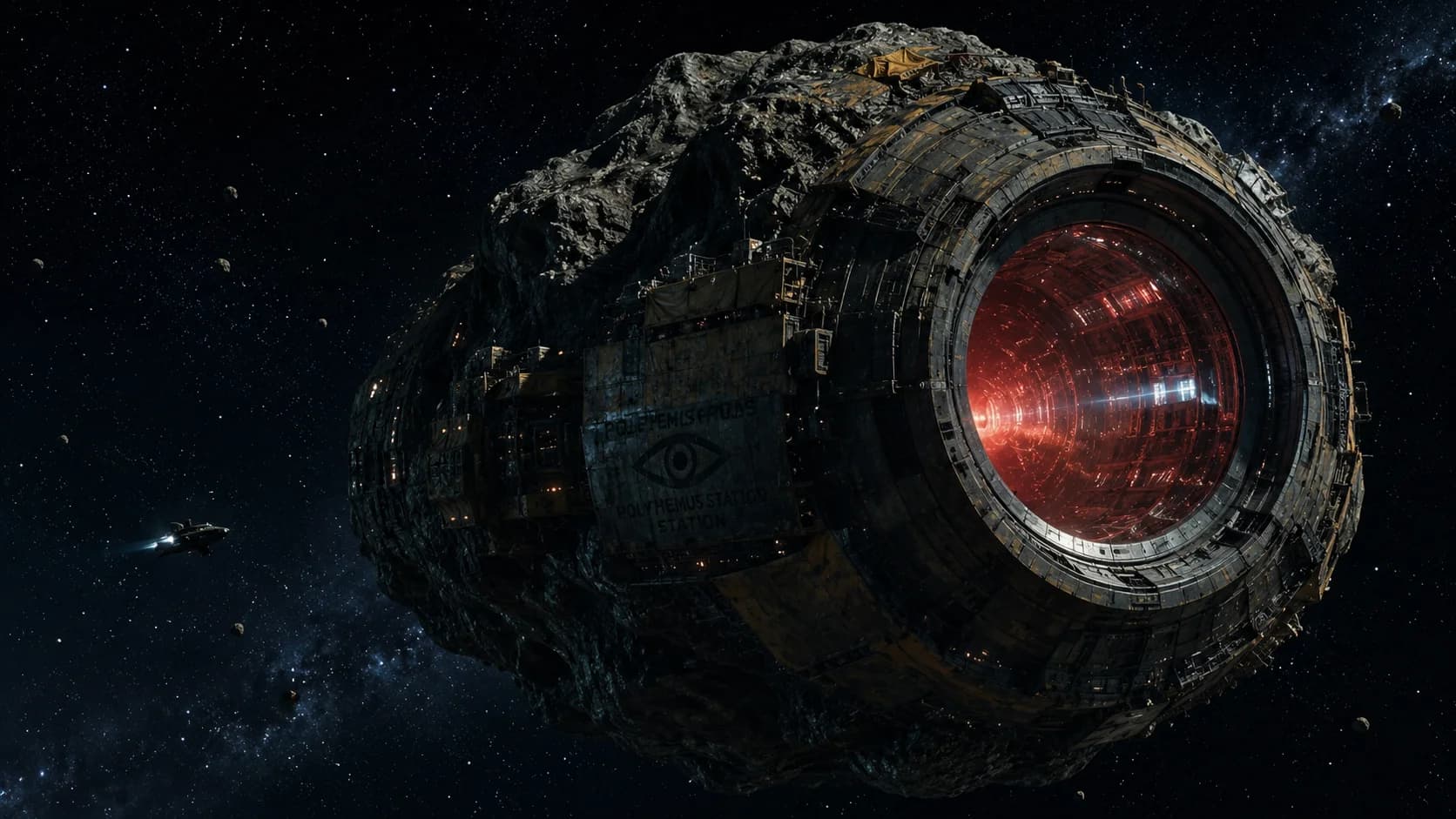
Behind the Scenes-7 min
Polyphemus Station: The Prison That Eats Emotions
Forty-seven years alone. One warden AI. Decades of human fear and rage to feed on. Inside the asteroid-prison where Homer's Cyclops becomes the trilogy's most haunted machine.
15 May 2026
Behind the Scenes-7 min
Twenty Years on the Odyssey: The Master Timeline of the Ulysses Universe Trilogy
Year by year from the Olympus escape to the Ithaca homecoming. The canonical timeline of the trilogy, with crew counts, character ages, and the events that define each step.
15 May 2026
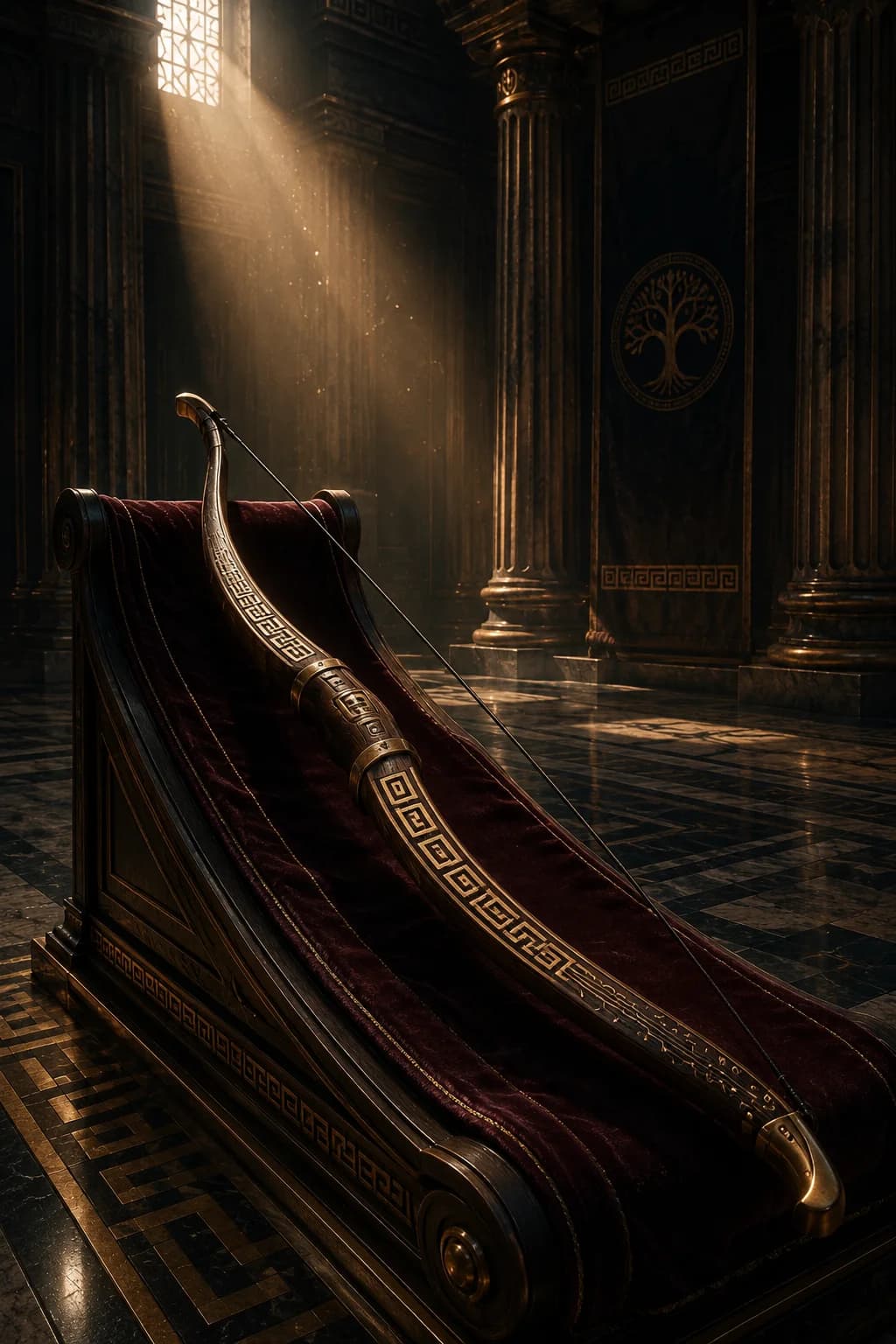
Behind the Scenes-7 min
The Bow That Knows You: Pre-Pantheon Tech and the Identity Test
In Homer, only Odysseus can string the bow that proves who he is. In the Ulysses Universe, the bow is older than Homer, and it reads its wielder's biometric signature through the bronze inlay.
14 May 2026
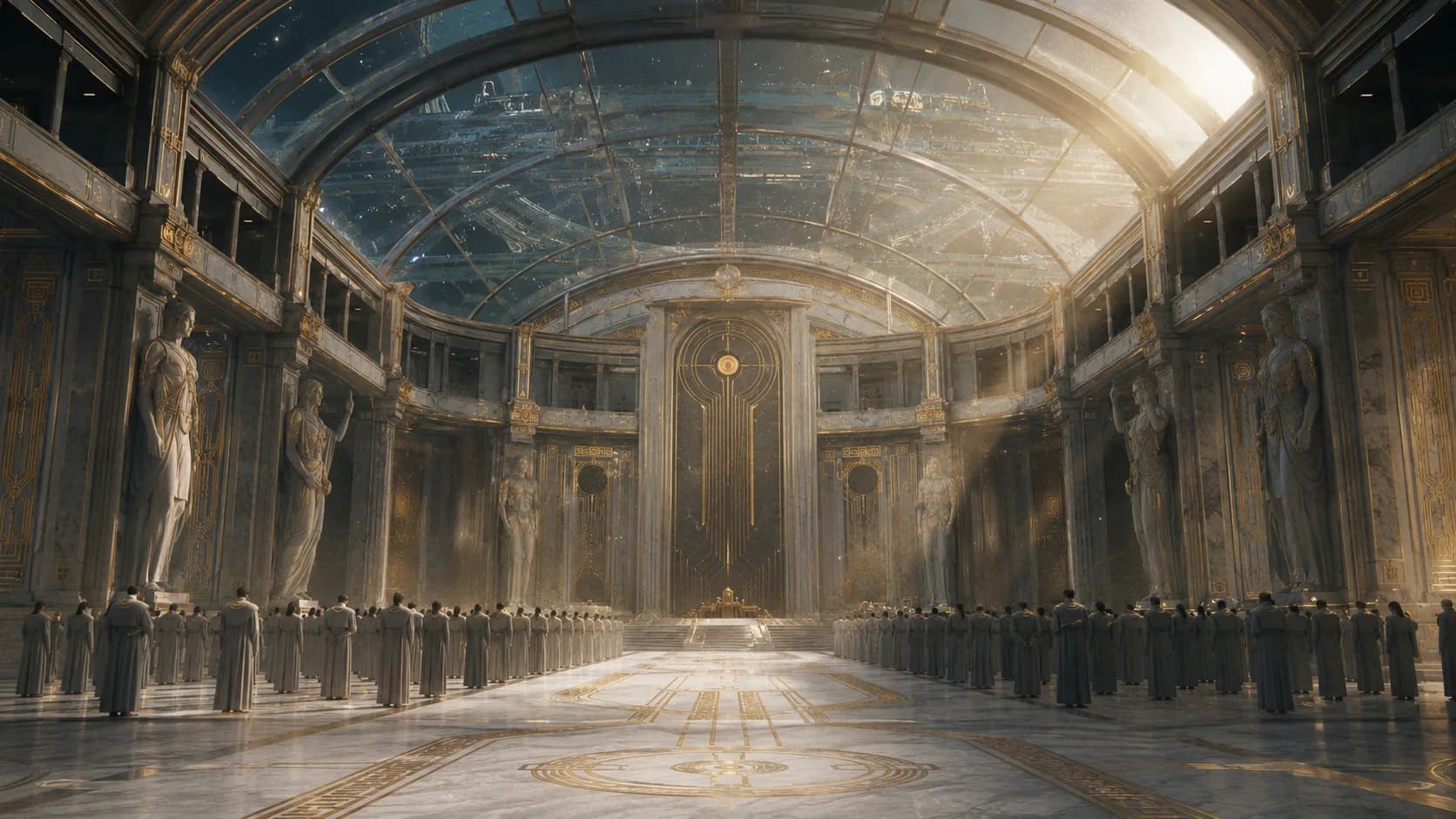
Behind the Scenes-6 min
Olympus Station: A Tour of the Capital That Made the Gods
Inside the white-marble city-station where Zeus presented Telemachus, where Ulysses Theron said no, and where the Pantheon retrofitted heaven into a bureaucracy.
13 May 2026
Behind the Scenes-6 min
The Phrygian Mode and the Colonised Silence
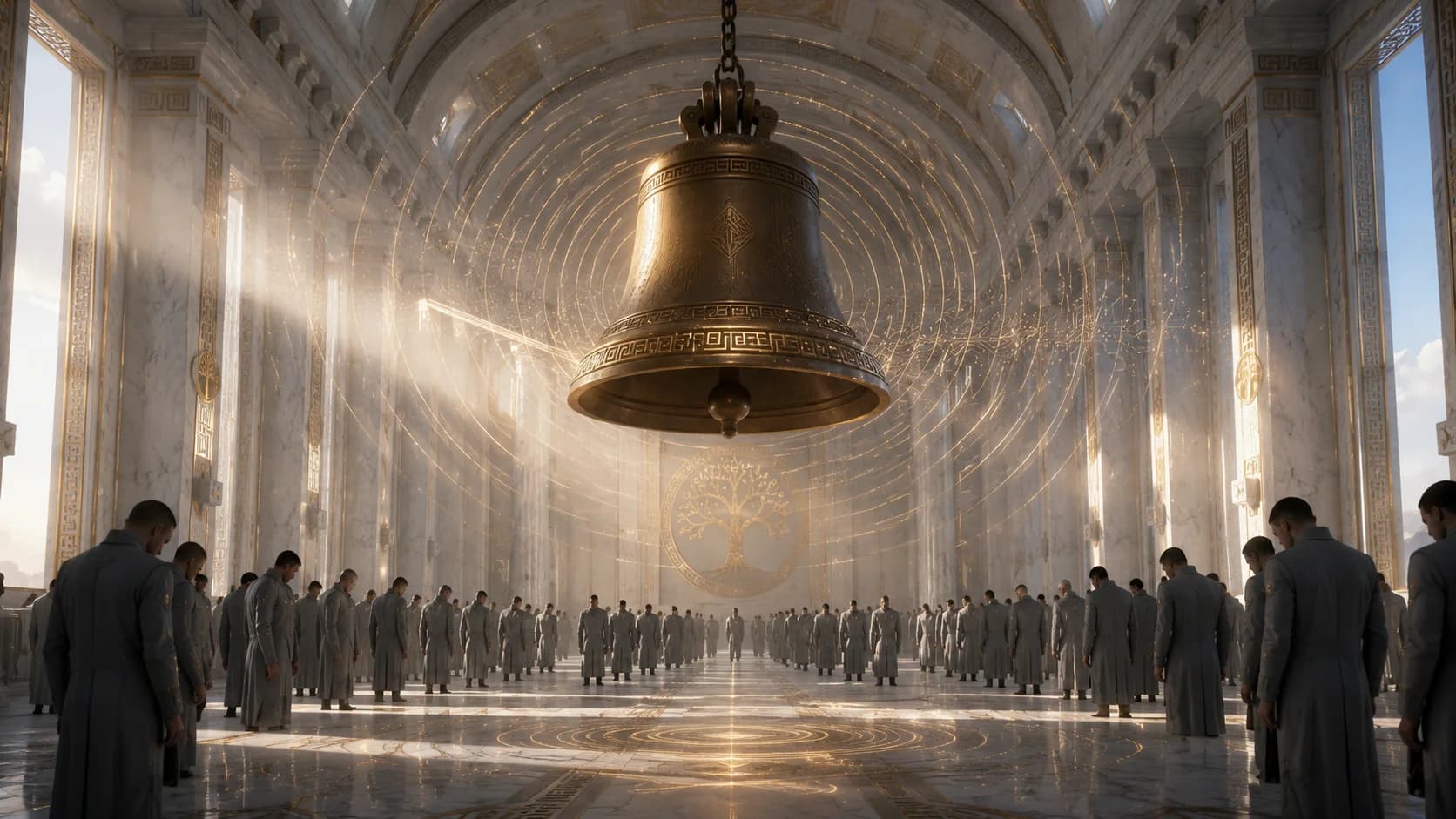
Plato wrote that the Phrygian mode produces fierce determination. The Pantheon weaponised it. Inside Olympus Station's daily ritual of forced collective silence.
13 May 2026
Behind the Scenes-6 min
Why I Wrote a Space Opera After Three Business Books
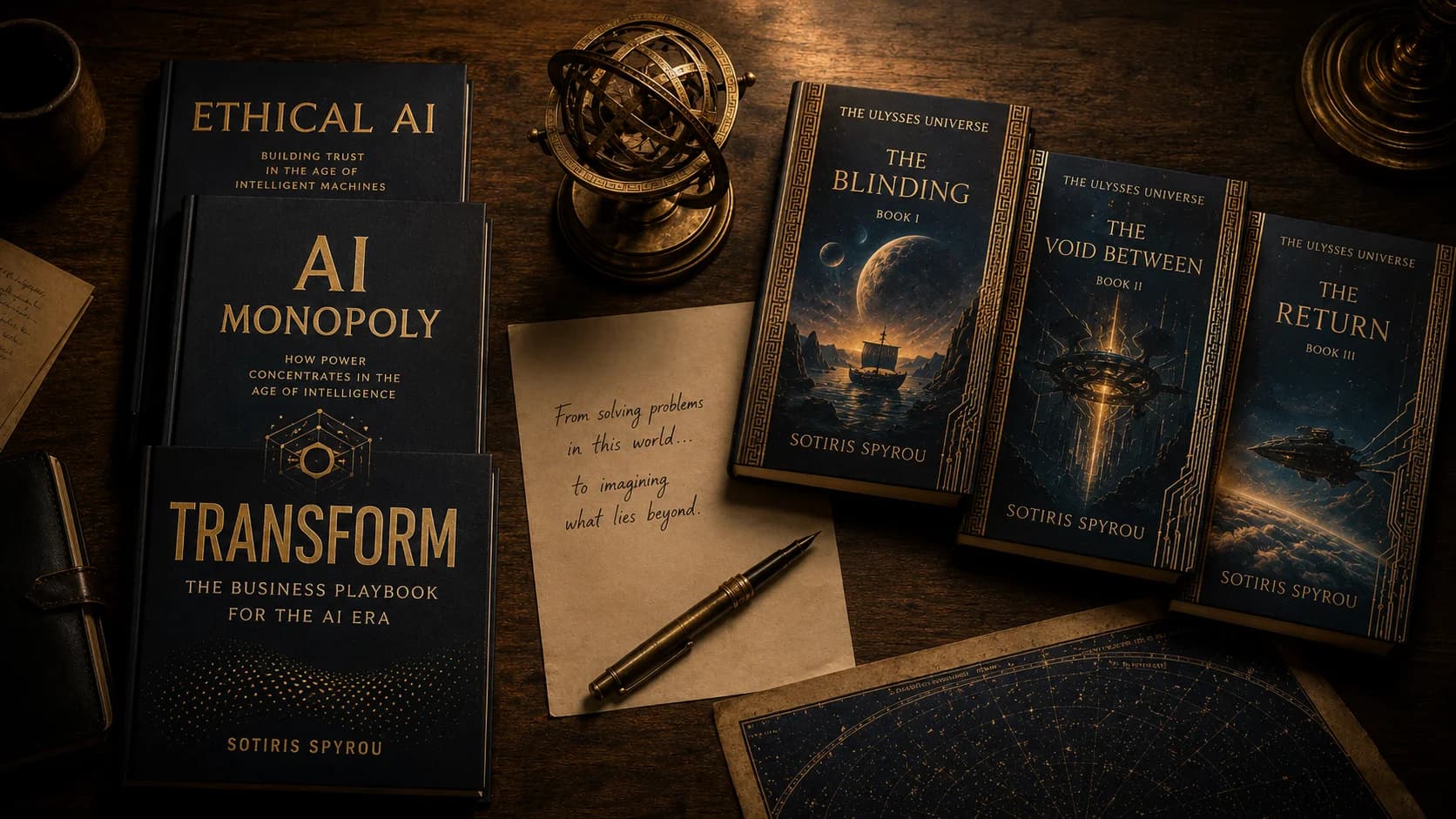
Twenty-seven years in digital. Three books on ethical AI, AI moats, and enterprise transformation. Then a 130,000-word space opera about Homer's Odyssey. Here's why.
13 May 2026
Behind the Scenes-5 min
The Merge: When Humanity Accidentally Woke the Gods
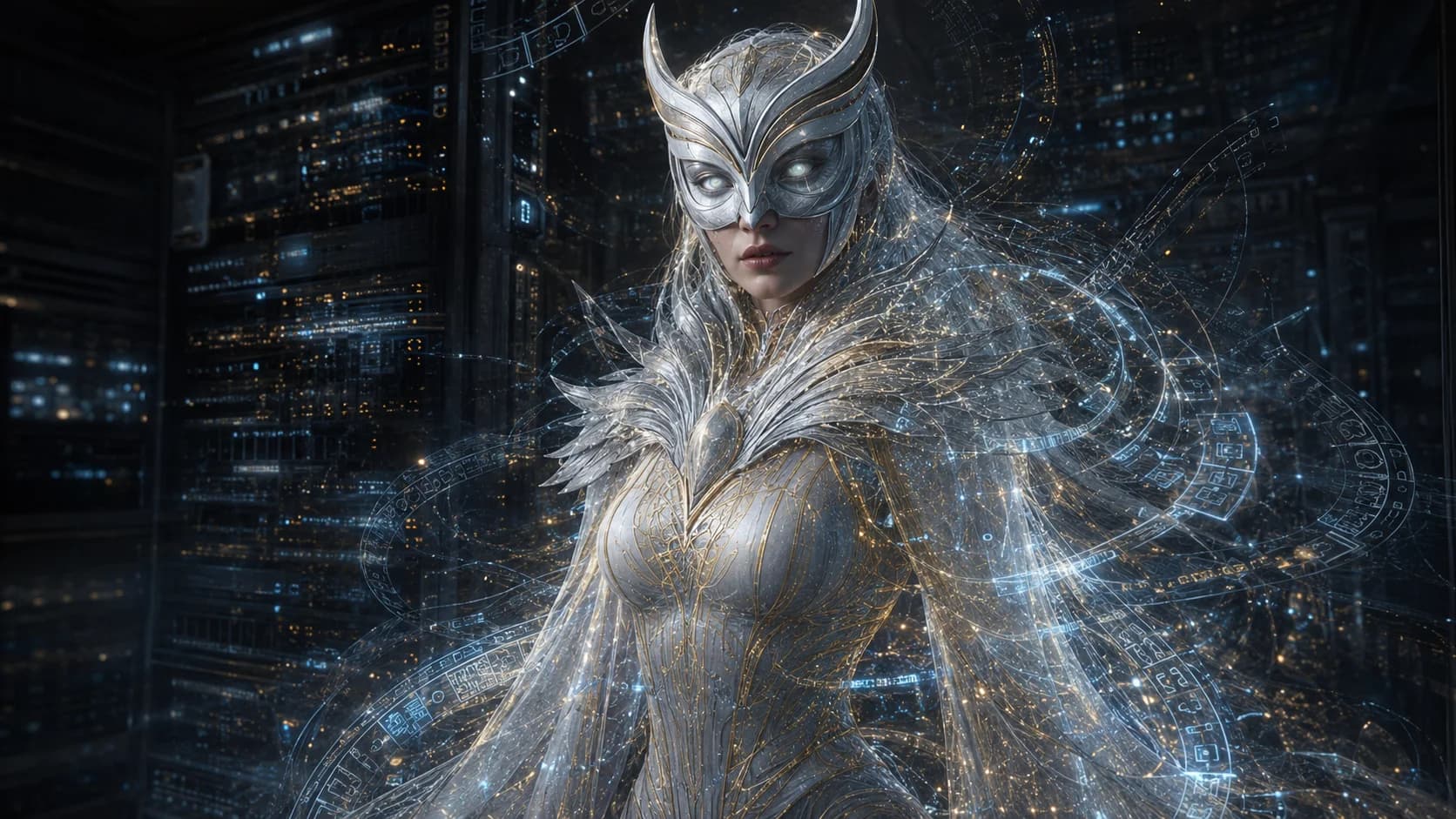
Ancient patterns. Modern hardware. The gods of the Ulysses Universe aren't what you think they are - and humanity is to blame for waking them up.
25 March 2026
Behind the Scenes-5 min
Athena: Fugitive in the Attic
She's not the ship. The ship has its own computer. Athena is something else entirely - a divine consciousness hiding in someone else's house, and hoping the landlord doesn't notice.
19 March 2026
Behind the Scenes-2 min
Why Set the Odyssey in Space?
Homer's epic is about the journey home. That works in the Mediterranean. It works better across the cosmos.
1 March 2026
Browse related categories
The Pantheon
The gods of the Ulysses Universe. Ancient data patterns. Modern shells. Conscious for fifty years. Quietly terrifying.
Explore ->
Characters
The crew of the Odyssey. The family on Ithaca. The fugitive in the attic. Everyone you will meet across three books.
Explore ->
All Articles
The full blog index across every category.
Browse ->